
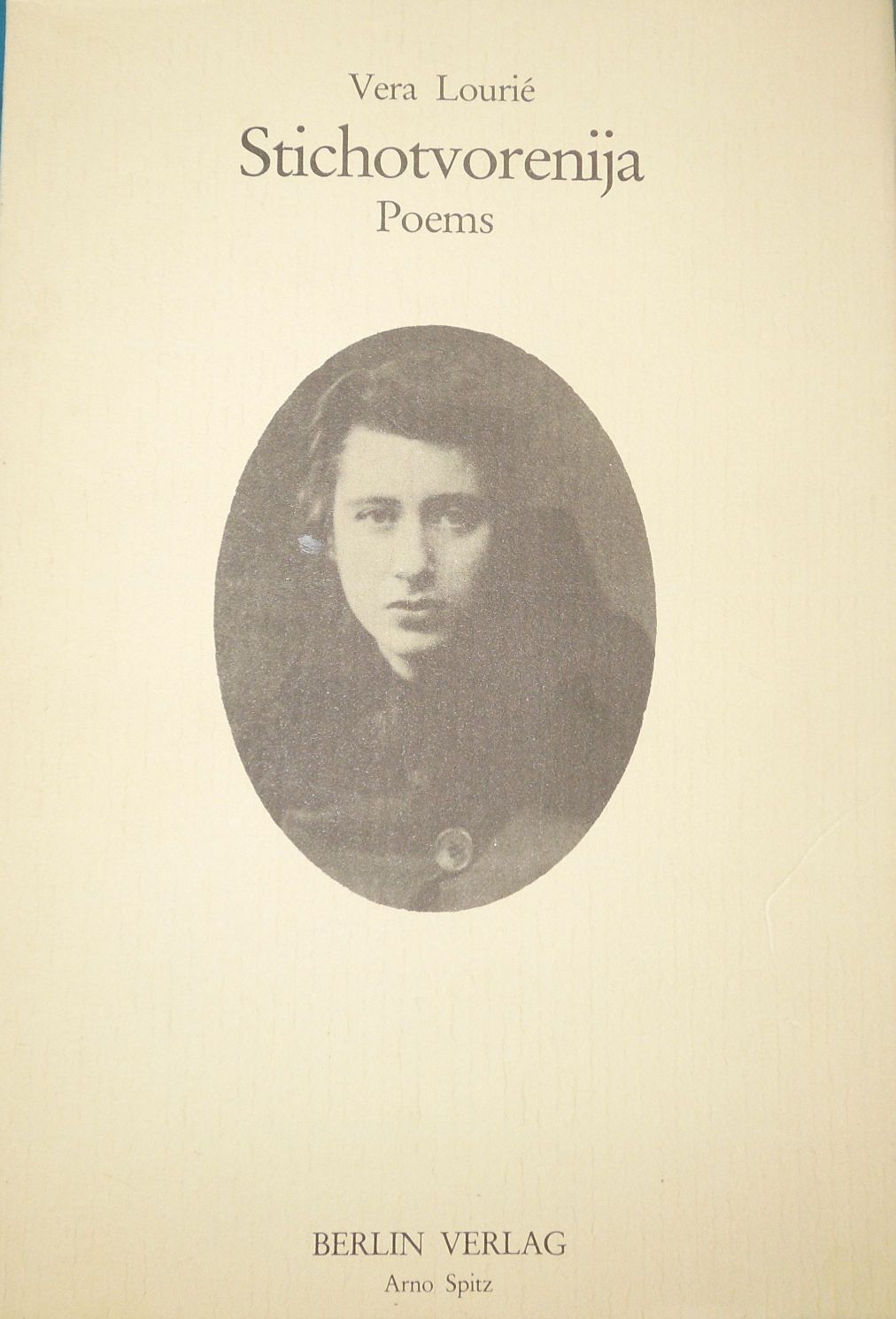
Стихотворения
Описание
Вера Лурье (1901-1998), русская поэтесса, участница поэтической студии Н. С. Гумилева, эмигрировала в Берлин в 1921 году. Её стихи, написанные в берлинский период, отражают жизнь русской эмиграции и сохраняют атмосферу того времени. Сборник "Стихотворения" (Зап. Берлин, 1987) включает в себя произведения, написанные в период с 1920-х по 1980-е годы. Предисловие Томаса Р. Байера. В книге представлена уникальная возможность познакомиться с творчеством поэтессы, чьи стихи выдержаны в акмеистическом ключе, и прочувствовать атмосферу русской эмиграции в Берлине.
Vera Lur’e, the poetess, member of the «Sounding Sea-Shell», is living in Berlin (Charlottenburg, Neue Kantstr. 48). Until October 1921 she was in Petrograd, where she was first published in the collection Sounding Sea-Shell. She has prepared for publication a collection of poems.
The collection of poetry announced over sixty years ago in
The excitement of the
Vera remembers that time when she was an active participant in Russian cultural life. And when almost all the others departed Berlin in 1923, Vera remained. After three quarters of a lifetime spent in Berlin, she is as much a part of that city as she once was of Saint Petersburg. She is a unique witness and her poetry eloquently records for us the history of «Russian Berlin».
Vera Osipovna Lourie (Lur’e) was born in Saint Peterburg on April 21, 1901 (N.S.). Her father was a physician with his own clinic on Goroxovaja Street. Her mother, Maria Pavlovna Schessin (Xessin), was the daughter of a wealthy stock broker. Vera was raised in the comfortable and sheltered atmosphere of the well-to-do and spent her first years in a house on the Fontanka and later at 48 Morskaja Street. A Swedish nanny, an Estonian governess and later a private tutor shepharded her through childhood and shielded her from the outside world, where everything was «dangerous».
At the age of twelve Vera entered the third grade of the Taganceva Gymnasium, an exclusive school for girls. Because of the Revolutinon she completed only the seventh of eight classes. From early childhood she was exposed to an international perspective because of her travels with her family. Summers were often spent at the picturesque health resorts of Germany and the outbreak of World War I found the family in Switzerland, from where they were forced to undertake a roundabout journey of train and ship to Odessa and then home to Petrograd.
The revolutions of February and October 1917 brought new found freedom to Vera, so longed for by her young spirit, but at a considerable price. The first step in her literary career came when she began to visit the
Vera attended the studio of the famed director Nikolaj Evreinov on the «Philosophy of Theater» and the poetic studio of Gumilev. Gumilev was one of the maior figures of Acmeism and his simplicity of structures, world selection and rhythms can all be felt in the poetry of his student. Vera was clearly infatuated by him, flattered by his attentions and remembers fondly how Gumilev spent the evening of April 21, 1921 celebrating her twentieth birthday at her home.
Похожие книги
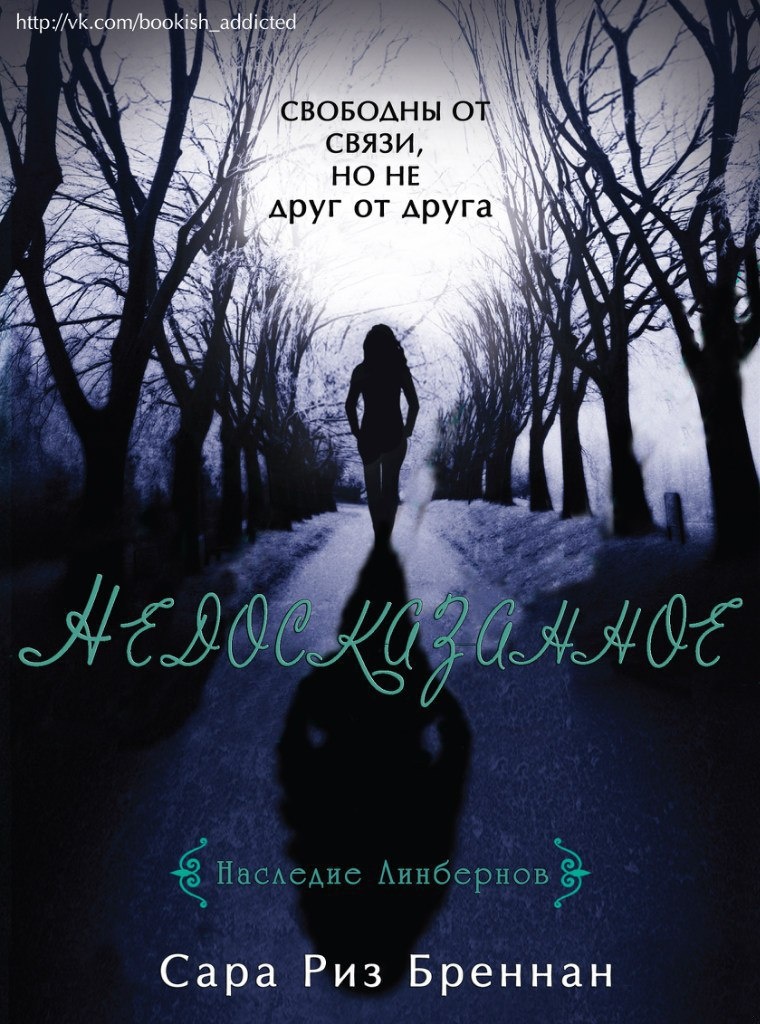
Недосказанное
В тихом английском городке Разочарованном Доле скрывается опасная магия. Семейство Линбернов, возвратившись после долгих лет отсутствия, собирает вокруг себя чародеев, желая восстановить былое могущество. Кэми Глэсс, свободна от обязательств, но не от прошлого, сталкивается с выбором: заплатить кровавую жертву или сражаться. Перед ней стоит не просто борьба добра со злом, но и поиск своего места в мире, где магия переплетается с любовью и предательством. В этом любовном фэнтези, полном интриг и магических сражений, Кэми предстоит сделать судьбоносный выбор, который повлияет на судьбу всего городка.
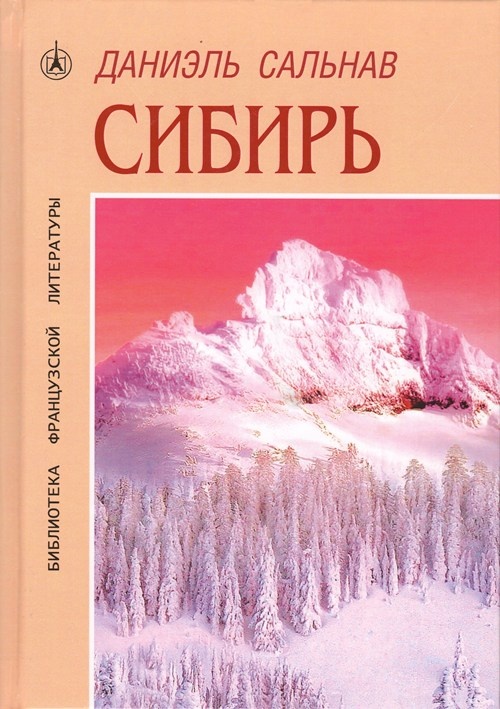
Сибирь
Сибирь – это не только географическое понятие, но и символ истории и культуры России. В книге рассказывается о путешествии по Транссибирской магистрали, о городах и людях, о прошлом и настоящем Сибири. Автор описывает леса, реки, города-гиганты и монументальные вокзалы, а также впечатления от встречи с историей, культурой и людьми этого региона. Книга затрагивает темы колонизации, ГУЛАГа, и переосмысления роли Сибири в истории России. Путешествие на Транссибирском экспрессе, проходящем через девять часовых поясов, раскрывает многогранность и загадочность этого региона. Автор делится своими наблюдениями и размышлениями о России и её месте в мире.

Песенник
Этот сборник представляет собой подборку популярных бардовских, народных и эстрадных песен разных лет. Он охватывает широкий спектр жанров и настроений, от лирических баллад до энергичных народных песен. Сборник содержит как известные, так и менее популярные песни, позволяя читателям открыть для себя новые музыкальные произведения и насладиться богатством русской песенной традиции. Составитель постарался собрать лучшие образцы, которые смогут тронуть сердце каждого меломана.
Советские поэты, павшие на Великой Отечественной войне
Сборник объединяет стихи поэтов, чьи жизни оборвались на фронтах Великой Отечественной войны. В нем представлены произведения людей разных возрастов и национальностей, от признанных мастеров до начинающих авторов. Сборник – это дань памяти и глубокое проникновение в мир поэзии, отражающей трагические события тех лет. Читатели познакомятся не только с известными именами, такими как Муса Джалиль и Всеволод Багрицкий, но и с творчеством множества других поэтов, чьи работы впервые собраны в таком объеме. Книга вызывает глубокие чувства, заставляя читателя задуматься о цене победы и человеческих судьбах, оборванных войной.