

"Племянник чародея" with W_cat
Описание
Книга Клайва Льюиса "Племянник чародея" - это увлекательное произведение, идеально подходящее для старшеклассников, изучающих английский язык. Представлена в формате с параллельным текстом, что позволяет сравнивать оригинальный текст и перевод. Это полезный инструмент для развития навыков чтения и понимания английской литературы. Книга содержит подробные пояснения и комментарии, что делает ее доступной для широкого круга читателей. Сделано для комфортного чтения на различных устройствах.
Данная книга из серии «Хроник Нарнии», сделана из двух: «The Magician’s Nephew» и «Племянник чародея», автор Клайв Стейплз Льюис.
Я старался соотнести по смыслу английский текст с его переводом, ведь переводчик никогда не следует точно разбивке исходного текста. Но отсутствие «разжеванных» ответов, как мне кажется, будет лучше стимулировать мысль учащегося.
Полноценно работать с данным пособием можно на устройстве, поддерживающем гиперссылки: компьютер или различные «читалки» с сенсорным экраном, желательно со словарем.
Причем тут W_cat? Дело в том, что я собираюсь сделать несколько книг в данном стиле, и хотелось бы, чтобы книга сразу заявляла о своем оформлении и назначении, свою фамилию использовать я посчитал нескромным, ограничусь «ником».
Успехов!
Ю. Карпов.
[2] This is a story about something that happened long ago when your grandfather was a child. It is a very important story because it shows how all the comings and goings between our own world and the land of Narnia first began.
[3] In those days Mr Sherlock Holmes was still living in Baker Street and the Bastables were looking for treasure in the Lewisham Road. In those days, if you were a boy you had to wear a stiff Eton collar every day, and schools were usually nastier than now. But meals were nicer; and as for sweets, I won’t tell you how cheap and good they were, because it would only make your mouth water in vain. And in those days there lived in London a girl called Polly Plummer.
[4] She lived in one of a long row of houses which were all joined together. One morning she was out in the back garden when a boy scrambled up from the garden next door and put his face over the wall. Polly was very surprised because up till now there had never been any children in that house, but only Mr Ketterley and Miss Ketterley, a brother and sister, old bachelor and old maid, living together. So she looked up, full of curiosity. The face of the strange boy was very grubby. It could hardly have been grubbier if he had first rubbed his hands in the earth, and then had a good cry, and then dried his face with his hands. As a matter of fact, this was very nearly what he had been doing.
[5] “Hullo,” said Polly.
[6] “Hullo,” said the boy. “What’s your name?”
[7] “Polly,” said Polly. “What’s yours?”
[8] “Digory,” said the boy.
[9] “I say, what a funny name!” said Polly.
[10] “It isn’t half so funny as Polly,” said Digory.
[11] “Yes it is,” said Polly.
[12] “No, it isn’t,” said Digory.
[13] “At any rate I do wash my face,” said Polly, “Which is what you need to do; especially after—” and then she stopped. She had been going to say “After you’ve been blubbing,” but she thought that wouldn’t be polite.
[14] “Alright, I have then,” said Digory in a much louder voice, like a boy who was so miserable that he didn’t care who knew he had been crying. “And so would you,” he went on, “if you’d lived all your life in the country and had a pony, and a river at the bottom of the garden, and then been brought to live in a beastly Hole like this.”
[15] “London isn’t a Hole,” said Polly indignantly. But the boy was too wound up to take any notice of her, and he went on “And if your father was away in India—and you had to come and live with an Aunt and an Uncle who’s mad (who would like that?)—and if the reason was that they were looking after your Mother—and if your Mother was ill and was going to—going to—die.” Then his face went the wrong sort of shape as it does if you’re trying to keep back your tears.
[16] “I didn’t know. I’m sorry,” said Polly humbly. And then, because she hardly knew what to say, and also to turn Digory’s mind to cheerful subjects, she asked:
[17] “Is Mr Ketterley really mad?”
[18] “Well either he’s mad,” said Digory, “or there’s some other mystery. He has a study on the top floor and Aunt Letty says I must never go up there. Well, that looks fishy to begin with. And then there’s another thing. Whenever he tries to say anything to me at meal times—he never even tries to talk to her—she always shuts him up. She says, “Don’t worry the boy, Andrew” or “I’m sure Digory doesn’t want to hear about that” or else “Now, Digory, wouldn’t you like to go out and play in the garden?”
[19] “What sort of things does he try to say?”
[20] “I don’t know. He never gets far enough. But there’s more than that. One night—it was last night in fact—as I was going past the foot of the attic-stairs on my way to bed (and I don’t much care for going past them either) I’m sure I heard a yell.”
[21] “Perhaps he keeps a mad wife shut up there.”
[22] “Yes, I’ve thought of that.”
[23] “Or perhaps he’s a coiner.”
[24] “Or he might have been a pirate, like the man at the beginning of Treasure Island, and be always hiding from his old shipmates.”
Похожие книги
A Frequency Dictionary of Russian
This frequency dictionary of Russian provides a core vocabulary for language learners. It's organized by frequency, offering a practical approach to mastering essential words and phrases. The dictionary features the lemma, part of speech, English gloss, and illustrative examples with English translations. This resource is ideal for students and language enthusiasts seeking to enhance their Russian language proficiency. The inclusion of frequency indices allows learners to prioritize vocabulary acquisition based on usage.
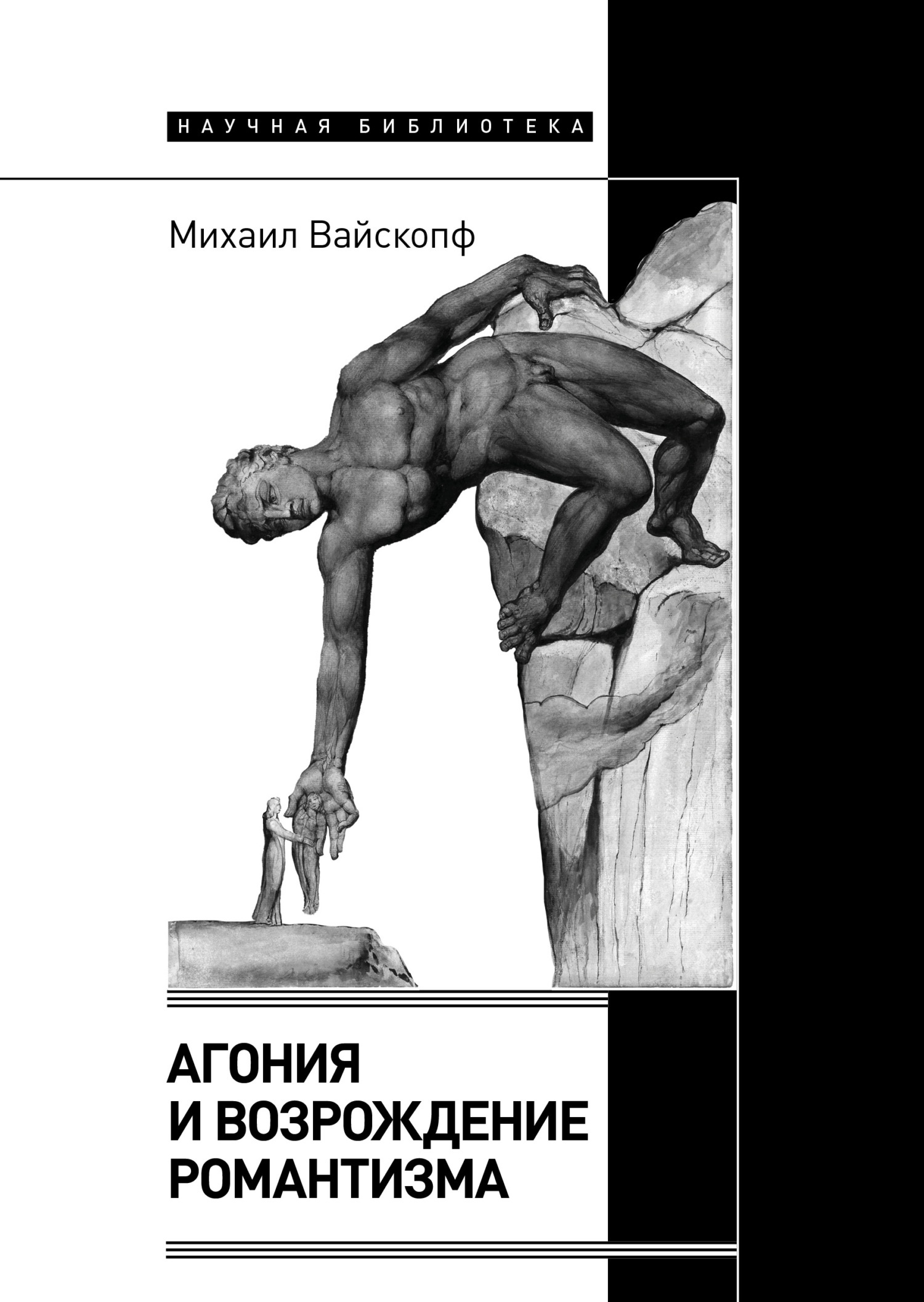
Агония и возрождение романтизма
Романтизм в русской литературе - это не только начало 19 века. Михаил Вайскопф, автор "Влюбленный демиург", рассматривает столетний период, от золотого века романтизма до катастроф 20 века, анализируя творчество от Лермонтова до Набокова. Книга исследует различные модификации романтизма, включая советский период. В работе прослеживается метафизическая доминанта, субъективизм и любовь в контексте русской культуры. Включено приложение "Пропащая грамота" с рассказами и стилизацией автора. Книга посвящена памяти Ильи Захаровича Сермана.
Айвенго (Ivanhoe)
Роман "Айвенго" Вальтера Скотта – это увлекательное историческое приключение, которое перенесет вас в средневековую Англию. Погрузитесь в мир рыцарских турниров, интриг и предательства, следуя за судьбой главного героя, Айвенго. События разворачиваются на фоне политических интриг и столкновений, описывая красочные быт и нравы того времени. Автор мастерски сочетает историческую достоверность с захватывающим сюжетом, создавая яркие образы героев и живописуя эпоху. Это произведение – классика английской литературы, которая по-прежнему актуальна и интересна читателям.
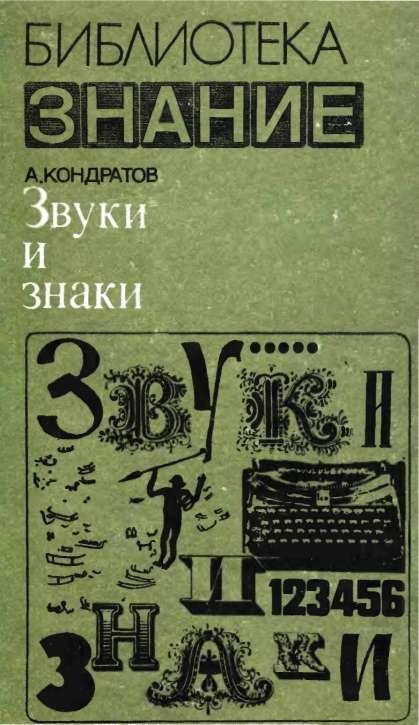
Звуки и знаки
Язык, по Марксу, – "действительность мысли", обладающая огромным богатством содержания. Книга "Звуки и знаки" рассказывает о новых языковедческих дисциплинах, возникших на стыке языкознания, математики, кибернетики и семиотики. Первое издание вышло в 1966 году. Автор, кандидат филологических наук, предлагает читателю увлекательное путешествие в мир сложных и подчас загадочных проблем языка. Второе, переработанное издание, учитывает последние достижения в области языкознания, кибернетики и информатики, в том числе машинного перевода и искусственного интеллекта. Книга рассматривает проблемы значения, фонемы, машинного перевода, теории информации и влияние научно-технического прогресса на языкознание. Подходит для широкого круга читателей, интересующихся языкознанием, математикой, кибернетикой и современными научными достижениями.