
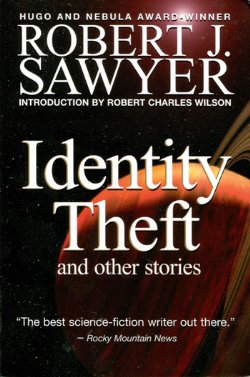
Kata Bindu
Описание
В далеком будущем, человечество, преодолев пределы физического тела, обрело бессмертие, объединив свои сознания в единую сеть. Но не все захотели этого шага. Последнее племя охотников-собирателей было переведено на Луну, в надежде на более долгую жизнь. Роман описывает их приспособление к новой среде и столкновение с неожиданными трудностями. Kata Bindu - это захватывающее исследование человеческой природы, технологического прогресса и неизбежных последствий выбора. Научная фантастика, полная философских размышлений о жизни и смерти, о будущем человечества и его месте во Вселенной.
We sometimes contemplated giving ourselves a name. “Those Who Had Been Flesh” appealed to us. So did “The Collective Consciousness of Earth.” And “The Uploaded.”
But, to our infinite sadness, there was no need for a name—for there was no one to speak with, no one to proffer an introduction to, no possible confusion about the referents of pronouns. Despite centuries now of scanning the sky for alien radio signals, we’d found nothing.
Because of that, we’d never even had to resolve the question of whether we should refer to ourselves in the singular or the plural. Granted, we had once been ten billion individuals; plurals were no doubt appropriate then. But after almost all members of
Ah, but it turned out there
What else could we have done? Although we had been about to become something more than human, we were, and are, still humane: we certainly weren’t going to just eliminate them. But we couldn’t leave anyone here on Earth, for once we’d uploaded our consciousnesses, once we had merged into the global web, a fanatic could disable the computers, could destroy our helpless, noncorporeal selves.
To send hunter-gatherers to the Moon might seem, well, lunatic: establishing a colony of the least technologically advanced people in a place where technology was the only thing making life possible. But we rationalized that we were actually being beneficent: with their hearts laboring under gentle lunar gravity, they would likely live decades longer, and their elderly—who, on the African veldt, had had no access to artificial hips or even wheelchairs—would be far more mobile than they had been on Earth.
More: we no longer cared what happened to Earth’s ecosystem, and, indeed, we knew that the inevitable impact of an asteroid would eventually cause worldwide calamity here. The Last Tribe, of course, could do nothing to avert a meteor strike, and we, no longer physical, could do nothing on their behalf. But now that they were on the airless, waterless moon, only a direct hit to their domed ecosystem would do any real damage. We had likely granted their civilization tens of millions of years of additional life.
Safety for us, and a better life for them.
It should have been a win-win scenario.
Prasp fashioned his wings from elephant skin spread between elongated wooden fingers. When Kari, his woman, helped him strap the wings to his arms, they stretched several times as wide as Prasp was tall.
Похожие книги
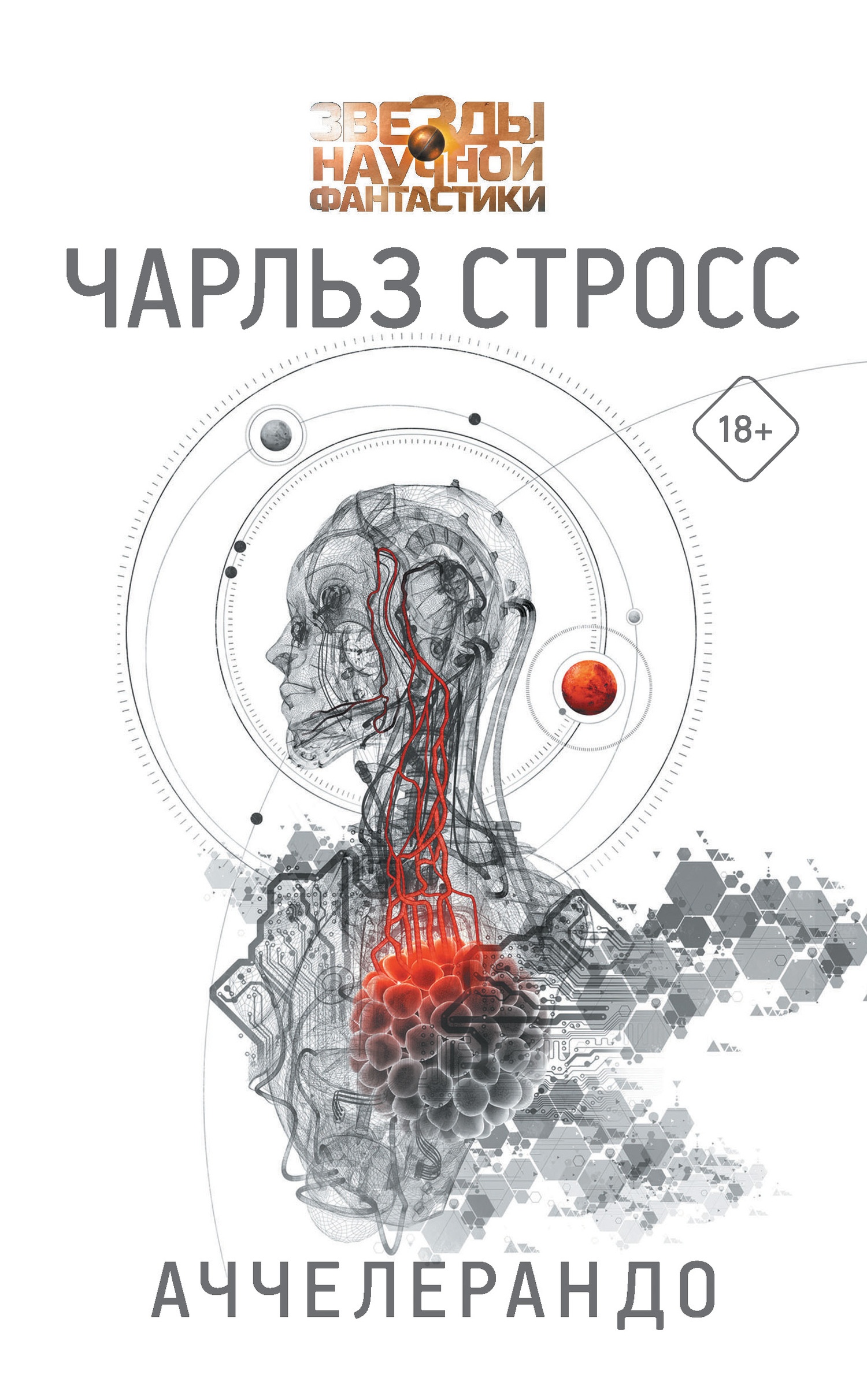
Аччелерандо
В эпоху постгуманизма, когда искусственный интеллект превзошел человеческий разум, и биотехнологии дали бессмертие, но поставили человечество на грань вымирания, разворачивается история семейного клана, чьи потомки пытаются остановить уничтожение цивилизации. Основатель клана поймал странный сигнал из космоса, изменивший ход истории Земли. Теперь его потомки борются с невидимой силой, разрушающей планеты Солнечной системы. Это захватывающее путешествие в мир будущего, где понятия личности и выживания приобретают новое значение. В центре сюжета – борьба за выживание в мире, где наноботы развиваются самостоятельно, а контакт с внеземной жизнью неизбежен. Прогресс и его последствия, свобода воли и судьба человечества – эти темы заставляют задуматься о будущем.

Удиви меня
Встреча двух разных миров – студентки и преподавателя – в этом романе переплетаются страсть, интрига и неожиданные повороты судьбы. Главная героиня, Полина, оказывается в неловкой ситуации, когда её куратор – мужчина, которого она ранее считала «гопником». В атмосфере больницы и летней практики развиваются сложные отношения, полные противоречий и эмоций. История о преодолении стереотипов, поисках себя и обретении настоящей любви. Роман полон ярких персонажей, динамичного сюжета и интимных сцен. Невероятный сюжет, где любовь и профессия переплетаются в захватывающей истории.
Камень
В повести Владимира Фирсова "Камень" юный герой, вдохновленный рассказами отца о поисках внеземных цивилизаций, строит на берегу моря удивительный замок из камней. Во время работы он обнаруживает необычный камень, который начинает светиться и показывать изображения загадочных миров. Книга погружает читателя в захватывающую атмосферу научной фантастики, где встречаются реальные и вымышленные миры, и где поиск контакта с другими цивилизациями переплетается с детским воображением и стремлением к познанию.
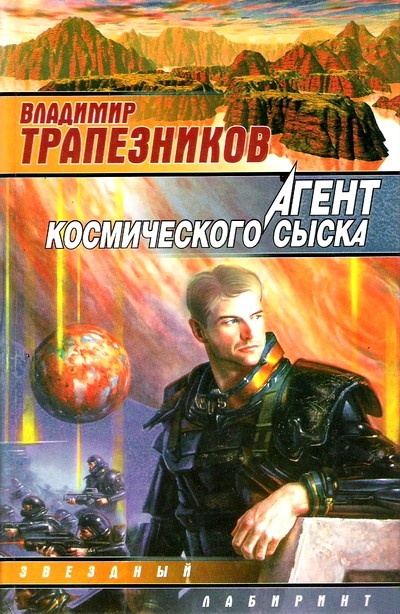
Агент космического сыска
Трилогия "Агент космического сыска" Владимира Трапезникова – увлекательное сочетание детектива и фантастического боевика. Когда люди осваивают межгалактические просторы, бесстрашным исследователям предстоит столкнуться с тайнами, угрожающими существованию человечества. Главный герой – агент секретной службы, которому предстоит раскрыть смертоносные загадки. Книга погружает читателя в захватывающий мир космических расследований, полных интриг и опасностей.