Ido-English-Ido dictionary
Описание
This Ido-English-Ido dictionary, updated and expanded from the original work by L.H. Dyer, provides a practical resource for English speakers learning Ido. It includes current usage, officially adopted words, and terms from the Radikaro of Pesch, along with many proposed words necessary for modern communication. Typographical errors have been corrected, and the formatting standardized for accuracy and ease of use. The dictionary offers detailed definitions and examples, making it an invaluable tool for Ido learners and speakers. It's designed for practical application, not just a historical transcription, and aims to be the most complete and accurate Ido-English dictionary available.
Ido Dictionaries
(based on the dictionaries by L.H. Dyer, updated, expanded, and corrected 2016)
Great thanks to Mr. David Mann for heading the project of transcribing the original Dyer Dictionaries to html, and for his generous help during this project. I have updated these pages with current usage (i.e., "patro" instead of "patrulo"), all officially adopted words and have inserted all words from the Radikaro of Pesch, as well as many proposed words (marked with an asterisk) that seem necessary for modern communication. I have also corrected typographical errors and standardized punctuation and formatting, to create the most complete, most accurate Ido-English dictionary within my power. My intent is not to offer a transciption of the Dyer Dictionaries, but to create a modern, practical dictionary for English-speaking Idists. I hope that my efforts will make this great project even more beneficial for all Idists. If further errors are found, please email me
.
To download a compressed folder containing all of the pages of both dictionaries, click here
.
Ido-English Dictionary : A
a: (
a (ad): (
-ab-: (1947) used with verbs to express prior action to the tense indicated by the verbal ending, a completed action; the perfect tense. Def.: verbal afixo qua indikas, che verbo, la anteeso kompare a tempo-punto di epoko pasinta o futura. [See Changes in Ido for fuller explanation.] — FGHIR
abad-(ul)o: abbot; -ino: abbess; -eyo: abbey; -eso: abbotship; -ala, -ey-ala: abbatial. — DEFIRS
abak-o: (
abandon-ar: (
abanik-o: (1926) fan. — SP.
Похожие книги
A Frequency Dictionary of Russian
This frequency dictionary of Russian provides a core vocabulary for language learners. It's organized by frequency, offering a practical approach to mastering essential words and phrases. The dictionary features the lemma, part of speech, English gloss, and illustrative examples with English translations. This resource is ideal for students and language enthusiasts seeking to enhance their Russian language proficiency. The inclusion of frequency indices allows learners to prioritize vocabulary acquisition based on usage.
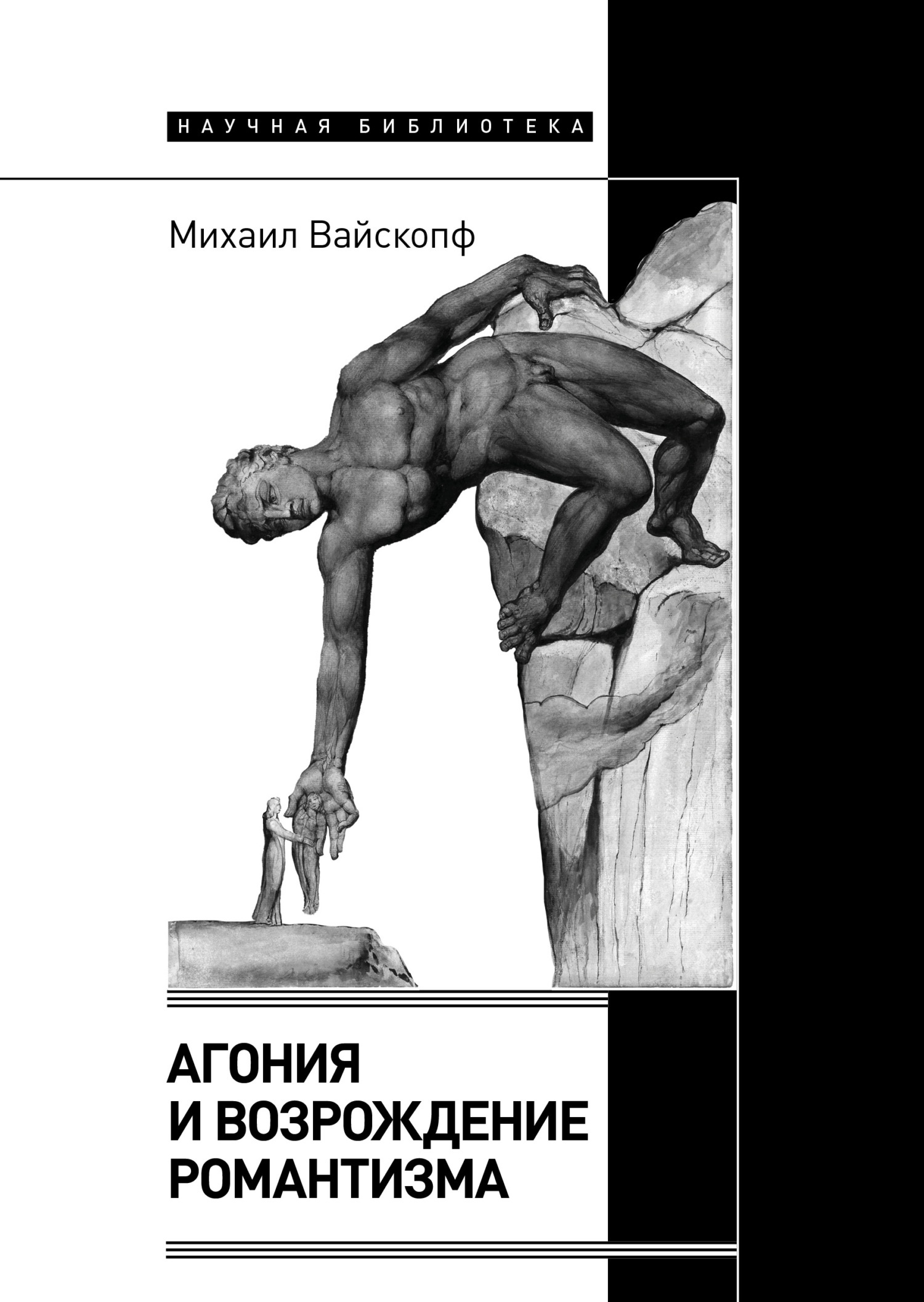
Агония и возрождение романтизма
Романтизм в русской литературе - это не только начало 19 века. Михаил Вайскопф, автор "Влюбленный демиург", рассматривает столетний период, от золотого века романтизма до катастроф 20 века, анализируя творчество от Лермонтова до Набокова. Книга исследует различные модификации романтизма, включая советский период. В работе прослеживается метафизическая доминанта, субъективизм и любовь в контексте русской культуры. Включено приложение "Пропащая грамота" с рассказами и стилизацией автора. Книга посвящена памяти Ильи Захаровича Сермана.
Айвенго (Ivanhoe)
Роман "Айвенго" Вальтера Скотта – это увлекательное историческое приключение, которое перенесет вас в средневековую Англию. Погрузитесь в мир рыцарских турниров, интриг и предательства, следуя за судьбой главного героя, Айвенго. События разворачиваются на фоне политических интриг и столкновений, описывая красочные быт и нравы того времени. Автор мастерски сочетает историческую достоверность с захватывающим сюжетом, создавая яркие образы героев и живописуя эпоху. Это произведение – классика английской литературы, которая по-прежнему актуальна и интересна читателям.
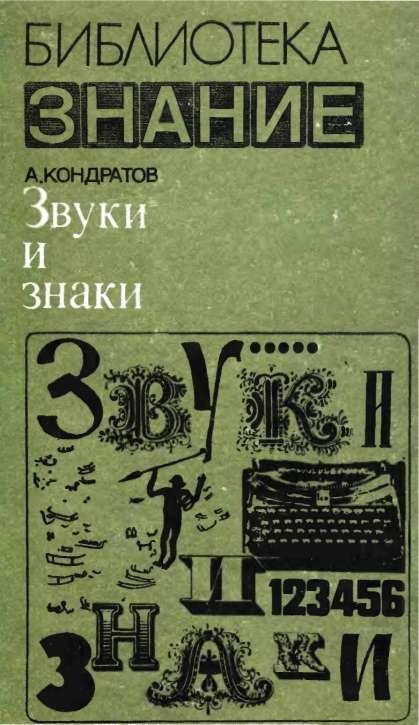
Звуки и знаки
Язык, по Марксу, – "действительность мысли", обладающая огромным богатством содержания. Книга "Звуки и знаки" рассказывает о новых языковедческих дисциплинах, возникших на стыке языкознания, математики, кибернетики и семиотики. Первое издание вышло в 1966 году. Автор, кандидат филологических наук, предлагает читателю увлекательное путешествие в мир сложных и подчас загадочных проблем языка. Второе, переработанное издание, учитывает последние достижения в области языкознания, кибернетики и информатики, в том числе машинного перевода и искусственного интеллекта. Книга рассматривает проблемы значения, фонемы, машинного перевода, теории информации и влияние научно-технического прогресса на языкознание. Подходит для широкого круга читателей, интересующихся языкознанием, математикой, кибернетикой и современными научными достижениями.