Ido-English Dictionary
Описание
This Ido-English Dictionary, meticulously crafted by L.H. Dyer, provides comprehensive translations and definitions for a wide range of Ido words and phrases. It's a valuable resource for anyone seeking to expand their knowledge of the Ido language. The dictionary features clear explanations, examples, and cross-references to aid in understanding the nuances of Ido vocabulary. It's an indispensable tool for students, researchers, and anyone interested in learning or using Ido. The book's detailed entries cover various aspects of the language, including grammar, usage, and cultural contexts. It serves as a reliable guide for navigating the complexities of Ido, facilitating effective communication and comprehension. This dictionary is essential for anyone serious about learning or using Ido.
Ido-English Dictionary
by L.H. Dyer
Note: the numbered references (e.g. III—37) are to the volumes and pages of the journal "Progreso"
A B C D E F G H I J K L M N O P Q R S T U V W X Y Z Geog. nomi
A
a (ad):
abad-(ul)o: abbot; -ino: abbess; -eyo: abbey; -eso: abbotship; -ala, -ey-ala: abbatial. — DeFIRS
abak-o*:
abandon-ar:
abas-ar:
abat-ar:
abatis-o:
abces-o
abcis-o*
abdik-ar:
abdomin-o: abdomen. V. exp.: Abdomino esas ciencala vorto, plu preciza kam ventro: IV-512. — DEFIS
Похожие книги
A Frequency Dictionary of Russian
This frequency dictionary of Russian provides a core vocabulary for language learners. It's organized by frequency, offering a practical approach to mastering essential words and phrases. The dictionary features the lemma, part of speech, English gloss, and illustrative examples with English translations. This resource is ideal for students and language enthusiasts seeking to enhance their Russian language proficiency. The inclusion of frequency indices allows learners to prioritize vocabulary acquisition based on usage.
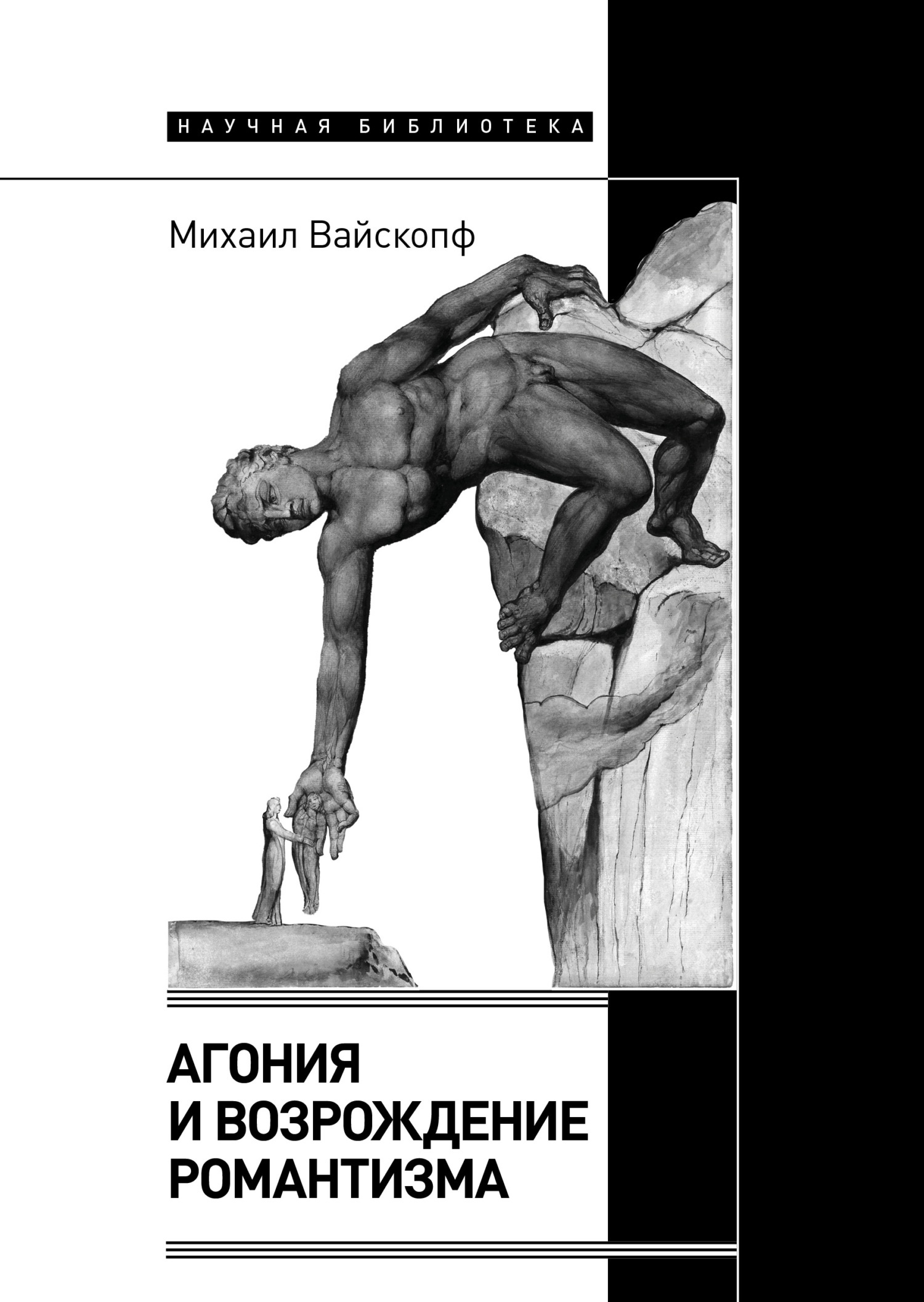
Агония и возрождение романтизма
Романтизм в русской литературе - это не только начало 19 века. Михаил Вайскопф, автор "Влюбленный демиург", рассматривает столетний период, от золотого века романтизма до катастроф 20 века, анализируя творчество от Лермонтова до Набокова. Книга исследует различные модификации романтизма, включая советский период. В работе прослеживается метафизическая доминанта, субъективизм и любовь в контексте русской культуры. Включено приложение "Пропащая грамота" с рассказами и стилизацией автора. Книга посвящена памяти Ильи Захаровича Сермана.
Айвенго (Ivanhoe)
Роман "Айвенго" Вальтера Скотта – это увлекательное историческое приключение, которое перенесет вас в средневековую Англию. Погрузитесь в мир рыцарских турниров, интриг и предательства, следуя за судьбой главного героя, Айвенго. События разворачиваются на фоне политических интриг и столкновений, описывая красочные быт и нравы того времени. Автор мастерски сочетает историческую достоверность с захватывающим сюжетом, создавая яркие образы героев и живописуя эпоху. Это произведение – классика английской литературы, которая по-прежнему актуальна и интересна читателям.
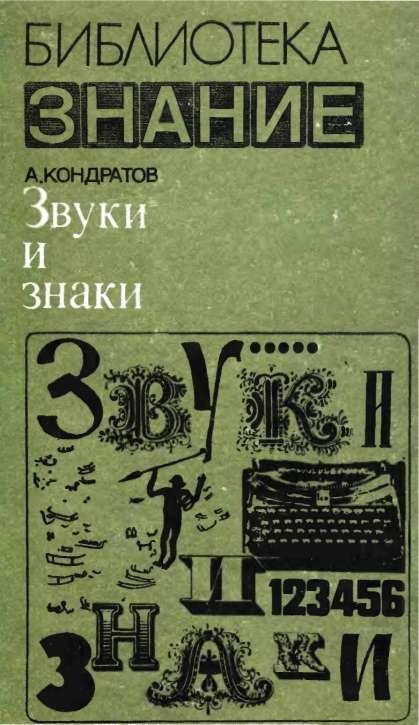
Звуки и знаки
Язык, по Марксу, – "действительность мысли", обладающая огромным богатством содержания. Книга "Звуки и знаки" рассказывает о новых языковедческих дисциплинах, возникших на стыке языкознания, математики, кибернетики и семиотики. Первое издание вышло в 1966 году. Автор, кандидат филологических наук, предлагает читателю увлекательное путешествие в мир сложных и подчас загадочных проблем языка. Второе, переработанное издание, учитывает последние достижения в области языкознания, кибернетики и информатики, в том числе машинного перевода и искусственного интеллекта. Книга рассматривает проблемы значения, фонемы, машинного перевода, теории информации и влияние научно-технического прогресса на языкознание. Подходит для широкого круга читателей, интересующихся языкознанием, математикой, кибернетикой и современными научными достижениями.