
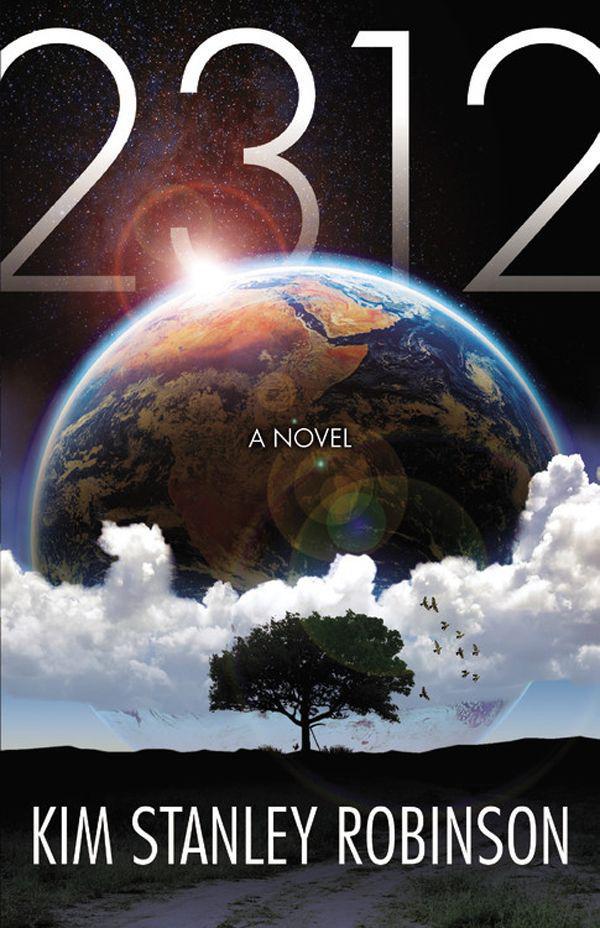
2312
Описание
Kim Stanley Robinson's 2312 plunges readers into a future where humanity has spread across the solar system, facing new challenges and opportunities. The story follows the lives of individuals on Mercury, highlighting the unique challenges of surviving and thriving in a harsh environment. The novel explores themes of survival, adaptation, and the enduring human spirit in the face of vast cosmic landscapes. The intricate details of the future society, along with the awe-inspiring portrayal of the sun from Mercury, create a captivating and thought-provoking reading experience. The novel's exploration of human resilience and the beauty of the cosmos makes it a must-read for fans of science fiction and those interested in the future of humanity.
The sun is always just about to rise. Mercury rotates so slowly that you can walk fast enough over its rocky surface to stay ahead of the dawn; and so many people do. Many have made this a way of life. They walk roughly westward, staying always ahead of the stupendous day. Some of them hurry from location to location, pausing to look in cracks they earlier inoculated with bioleaching metallophytes, quickly scraping free any accumulated residues of gold or tungsten or uranium. But most of them are out there to catch glimpses of the sun.
Mercury’s ancient face is so battered and irregular that the planet’s terminator, the zone of the breaking dawn, is a broad chiaroscuro of black and white-charcoal hollows pricked here and there by brilliant white high points, which grow and grow until all the land is as bright as molten glass, and the long day begun. This mixed zone of sun and shadow is often as much as thirty kilometers wide, even though on a level plain the horizon is only a few kilometers off. But so little of Mercury is level. All the old bangs are still there, and some long cliffs from when the planet first cooled and shrank. In a landscape so rumpled the light can suddenly jump the eastern horizon and leap west to strike some distant prominence. Everyone walking the land has to attend to this possibility, know when and where the longest sunreaches occur-and where they can run for shade if they happen to be caught out.
Or if they stay on purpose. Because many of them pause in their walkabouts on certain cliffs and crater rims, at places marked by stupas, cairns, petroglyphs, inuksuit, mirrors, walls, goldsworthies. The sunwalkers stand by these, facing east, waiting.
The horizon they watch is black space over black rock. The superthin neon-argon atmosphere, created by sunlight smashing rock, holds only the faintest predawn glow. But the sunwalkers know the time, so they wait and watch-until- a flick of orange fire dolphins over the horizon and their blood leaps inside them. More brief banners follow, flicking up, arcing in loops, breaking off and floating free in the sky. Star oh star, about to break on them! Already their faceplates have darkened and polarized to protect their eyes.
The orange banners diverge left and right from the point of first appearance, as if a fire set just over the horizon is spreading north and south. Then a paring of the photosphere, the actual surface of the sun, blinks and stays, spills slowly to the sides. Depending on the filters deployed in one’s faceplate, the star’s actual surface can appear as anything from a blue maelstrom to an orange pulsing mass to a simple white circle. The spill to left and right keeps spreading, farther than seems possible, until it is very obvious one stands on a pebble next to a star.
Time to turn and run! But by the time some of the sunwalkers manage to jerk themselves free, they are stunned-trip and fall-get up and dash west, in a panic like no other.
Before that-one last look at sunrise on Mercury. In the ultraviolet it’s a perpetual blue snarl of hot and hotter. With the disk of the photosphere blacked out, the fantastic dance of the corona becomes clearer, all the magnetized arcs and short circuits, the masses of burning hydrogen pitched out at the night. Alternatively you can block the corona, and look only at the sun’s photosphere, and even magnify your view of it, until the burning tops of the convection cells are revealed in their squiggling thousands, each a thunderhead of fire burning furiously, all together torching five million tons of hydrogen a second-at which rate the star will burn another four billion years. All these long spicules of flame dance in circular patterns around the little black circles that are the sunspots-shifting whirlpools in the storms of burning. Masses of spicules flow together like kelp beds threshed by a tide. There are nonbiological explanations for all this convoluted motion-different gases moving at different speeds, magnetic fields fluxing constantly, shaping the endless whirlpools of fire-all mere physics, nothing more-but in fact it looks alive, more alive than many a living thing. Looking at it in the apocalypse of the Mercurial dawn, it’s impossible to believe it’s not alive. It roars in your ears, it speaks to you.
Похожие книги
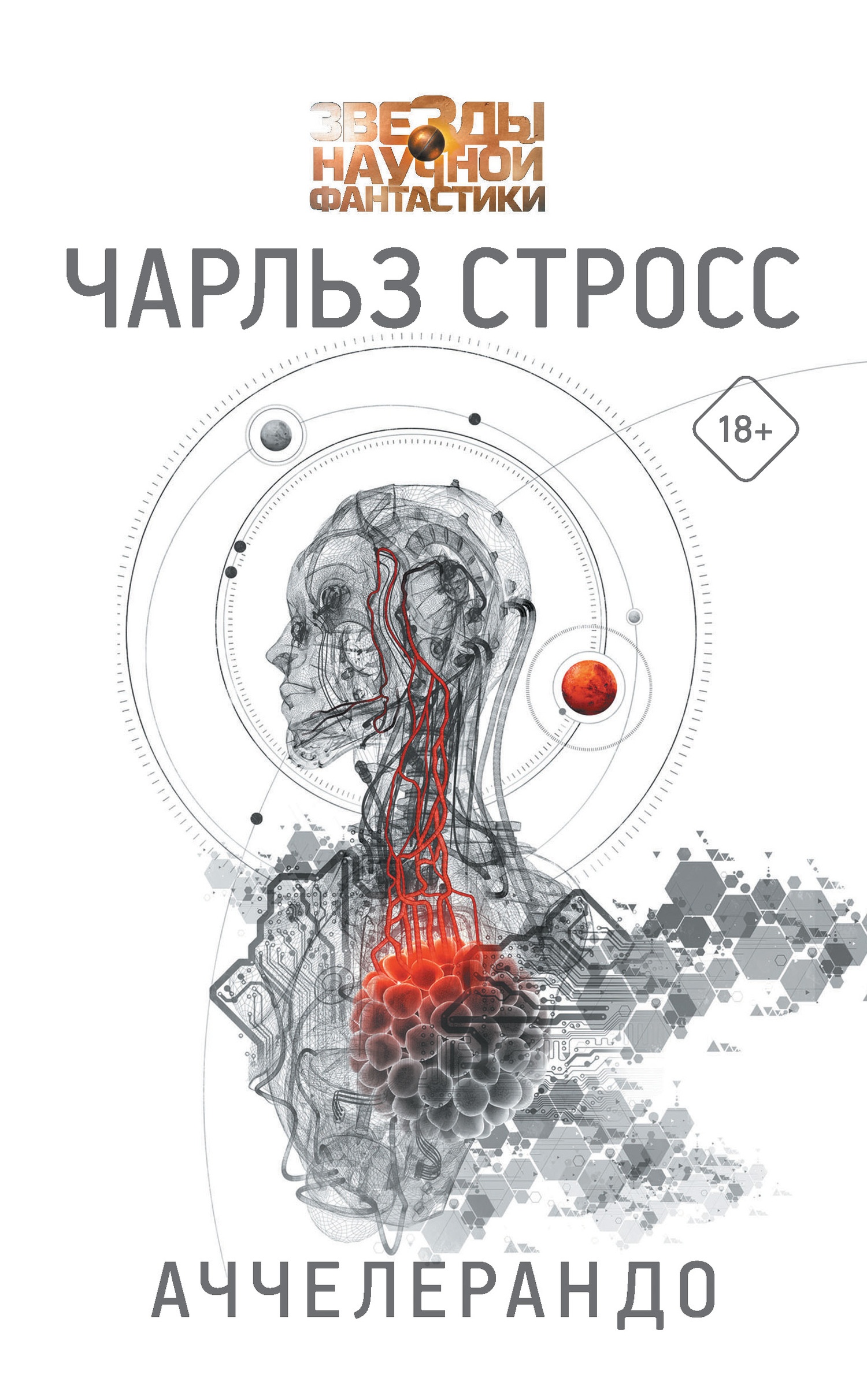
Аччелерандо
В эпоху постгуманизма, когда искусственный интеллект превзошел человеческий разум, и биотехнологии дали бессмертие, но поставили человечество на грань вымирания, разворачивается история семейного клана, чьи потомки пытаются остановить уничтожение цивилизации. Основатель клана поймал странный сигнал из космоса, изменивший ход истории Земли. Теперь его потомки борются с невидимой силой, разрушающей планеты Солнечной системы. Это захватывающее путешествие в мир будущего, где понятия личности и выживания приобретают новое значение. В центре сюжета – борьба за выживание в мире, где наноботы развиваются самостоятельно, а контакт с внеземной жизнью неизбежен. Прогресс и его последствия, свобода воли и судьба человечества – эти темы заставляют задуматься о будущем.

Удиви меня
Встреча двух разных миров – студентки и преподавателя – в этом романе переплетаются страсть, интрига и неожиданные повороты судьбы. Главная героиня, Полина, оказывается в неловкой ситуации, когда её куратор – мужчина, которого она ранее считала «гопником». В атмосфере больницы и летней практики развиваются сложные отношения, полные противоречий и эмоций. История о преодолении стереотипов, поисках себя и обретении настоящей любви. Роман полон ярких персонажей, динамичного сюжета и интимных сцен. Невероятный сюжет, где любовь и профессия переплетаются в захватывающей истории.

Камень
В повести Владимира Фирсова "Камень" юный герой, вдохновленный рассказами отца о поисках внеземных цивилизаций, строит на берегу моря удивительный замок из камней. Во время работы он обнаруживает необычный камень, который начинает светиться и показывать изображения загадочных миров. Книга погружает читателя в захватывающую атмосферу научной фантастики, где встречаются реальные и вымышленные миры, и где поиск контакта с другими цивилизациями переплетается с детским воображением и стремлением к познанию.
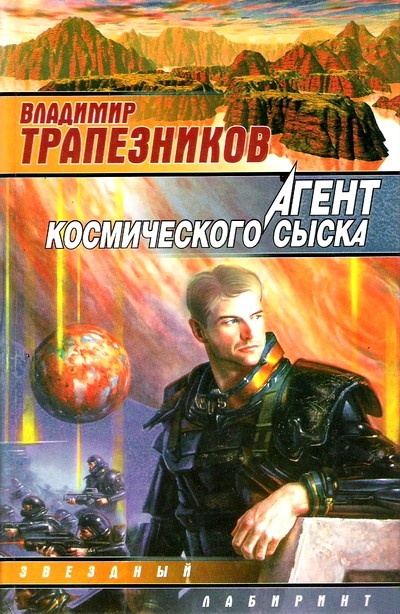
Агент космического сыска
Трилогия "Агент космического сыска" Владимира Трапезникова – увлекательное сочетание детектива и фантастического боевика. Когда люди осваивают межгалактические просторы, бесстрашным исследователям предстоит столкнуться с тайнами, угрожающими существованию человечества. Главный герой – агент секретной службы, которому предстоит раскрыть смертоносные загадки. Книга погружает читателя в захватывающий мир космических расследований, полных интриг и опасностей.