

Worlds That Weren't
Описание
Worlds That Weren't, коллекция рассказов от ведущих авторов в жанре исторической фантастики, предлагает читателям захватывающее путешествие в альтернативные миры. Книга исследует различные исторические сценарии, где судьбоносные решения и неожиданные повороты судьбы меняют ход истории. От древней Греции до альтернативных эпох, авторы предлагают глубокие размышления о человеческой природе, политике и судьбе. В книге вы найдете захватывающие сюжеты, ярких персонажей и увлекательные истории, которые заставят вас задуматься о возможных альтернативах нашей реальности.
Simon the shoemaker’s shop stood close to the southwestern corner of the Athenian agora, near the boundary stone marking the edge of the market square and across a narrow dirt lane from the Tholos, the round building where the executive committee of the Boule met. Inside the shop, Simon pounded iron hobnails into the sole of a sandal. His son worked with an awl, shaping bone eyelets through which rawhide laces would go. Two grandsons cut leather for more shoes.
Outside, in the shade of an olive tree, a man in his mid-fifties strode back and forth, arguing with a knot of younger men and youths. He was engagingly ugly: bald, heavy-browed, snub-nosed, with a gray beard that should have been more neatly trimmed. “And so you see, my friends,” he was saying, “my daimon has told me that this choice does indeed come from the gods, and that something great may spring from it. Thus, though I love you and honor you, I shall obey the spirit inside me rather than you.”
“But, Sokrates, you have already given Athens all she could want of you,” exclaimed Kritias, far and away the most prominent of the men gathered there and, next to Sokrates, the eldest. “You fought at Potidaia and Delion and Amphipolis. But the last of those battles was seven years ago. You are neither so young nor so strong as you used to be. You need not go to Sicily. Stay here in the polis. Your wisdom is worth more to the city than your spear ever could be.”
The others dipped their heads in agreement. A youth whose first beard was just beginning to darken his cheeks said, “He speaks for all of us, Sokrates. We need you here more than the expedition ever could.”
“How can one man speak for another, Xenophon?” Sokrates asked. Then he held up a hand. “Let that be a question for another time. The question for now is, why should I be any less willing to fight for my polis than, say, he is?”
He pointed to a hoplite tramping past in front of Simon’s shop. The infantryman wore his crested bronze helm pushed back on his head, so the cheekpieces and noseguard did not hide his face. He rested the shaft of his long thrusting spear on his shoulder; a shortsword swung from his hip. Behind him, a slave carried his corselet and greaves and round, bronze-faced shield.
Kritias abandoned the philosophic calm he usually kept up in Sokrates’ company. “To the crows with Alkibiades!” he burst out. “He didn’t ask you to sail with him to Sicily for the sake of your strong right arm. He just wants you for the sake of your conversation, the same way as he’ll probably bring along a hetaira to keep his bed warm. You’re going for the sake of his cursed vanity: no other reason.”
“No.” Sokrates tossed his head. “I am going because it is important that I go. So my daimon tells me. I have listened to it all my life, and it has never led me astray.”
“We’re not going to change his mind now,” one of the young men whispered to another. “When he gets that look in his eye, he’s stubborn as a donkey.”
Sokrates glanced toward the herm in front of Simon’s shop: a stone pillar with a crude carving of Hermes’ face at the top and the god’s genitals halfway down. “Guard me well, patron of travelers,” he murmured.
“Be careful you don’t get your nose or your prong knocked off, Sokrates, the way a lot of the herms did last year,” somebody said.
“Yes, and people say Alkibiades was hip-deep in that sacrilege, too,” Kritias added. A considerable silence followed. Kritias was hardly the one to speak of sacrilege. He was at least as scornful of the gods as Alkibiades; he’d once claimed priests had invented them to keep ordinary people in line.
But, instead of rising to that, Sokrates only said, “Have we not seen, O best one, that we should not accept what is said without first attempting to learn how much truth it holds?” Kritias went red, then turned away in anger. If Sokrates noticed, he gave no sign.
I am the golden one.
Alkibiades looked at the triremes and transports in Athens’ harbor, Peiraieus. All sixty triremes and forty transport ships about to sail for Sicily were as magnificent as their captains could make them. The eyes painted at their bows seemed to look eagerly toward the west. The ships were long and low and sleek, lean almost as eels. Some skippers had polished the three-finned, bronze-faced rams at their bows so they were a gleaming, coppery red rather than the usual green that almost matched the sea. Paint and even gilding ornamented curved stemposts and sternposts with fanlike ends.
Похожие книги

1917, или Дни отчаяния
В 1917 году Россия пережила потрясения, изменившие ее судьбу. Роман "1917, или Дни отчаяния" погружает читателя в атмосферу тех драматических событий, раскрывая сложные характеры ключевых фигур – Ленина, Троцкого, Свердлова, Савинкова, Гучкова, Керенского, Михаила Терещенко и других. Книга исследует закулисные интриги, борьбу за власть, и то, как за немецкие деньги был совершен Октябрьский переворот. Автор детально описывает события, которые сегодня часто забывают или искажают. Он затрагивает темы любви, преданности и предательства, характерные для любой эпохи. История учит, что в политике нет правил, а Фортуна изменчива. Книга посвящена эпохе и людям, которые ее создали, и в то же время поднимает вопрос, учит ли нас история чему-либо.
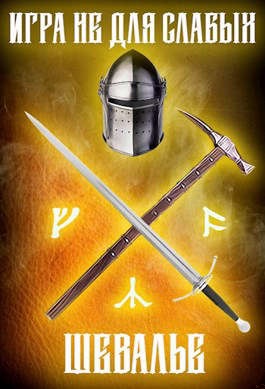
Шевалье
Отряд наёмников прибывает в Вестгард, последний форпост королевства. Их надежды на отдых и припасы рушатся, когда город терзает нечисть. Пропадают люди, а их тела находят у городских стен. В окрестностях рыщут разбойники, а столицу охватила паника из-за гибели лорда Де Валлон. Герои должны раскрыть тайну убийства и противостоять угрозе, нависшей над королевством. В этом историческом приключении для любителей попаданцев, читатели погружаются в реалистичный мир средневековья, полный опасностей и интриг.
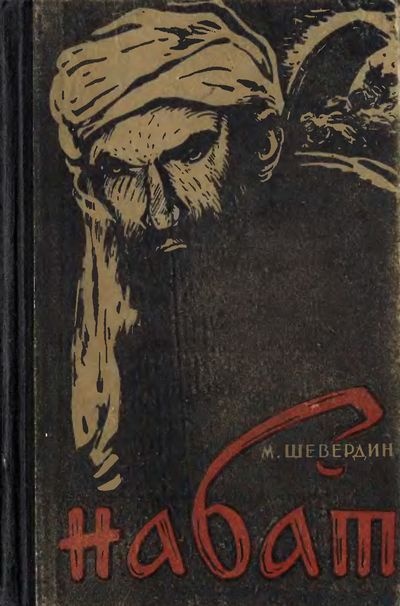
Агатовый перстень
В 1920-е годы, когда Средняя Азия находилась в сложном политическом переплетении, ставленник англичан, турецкий генерал Энвербей, стремился создать государство Туран. Молодая Бухарская народная республика, сбросившая эмира, встала на защиту своей независимости при поддержке Красной Армии. Жестокие бои с басмачами завершились их поражением и отступлением в Афганистан и Иран. Роман Михаила Ивановича Шевердина "Агатовый перстень" погружает читателя в атмосферу тех драматических событий, полных героизма и отваги.

Защитник
В мире Ваантан, охваченном хаосом, разворачивается захватывающая история. Исследовательский центр ИВСР, где работает Килт, сталкивается с неожиданными сложностями, связанными с опасными тенденциями в развитии миров. Килт, обладающий аналитическими способностями, пытается понять эти тенденции, но сталкивается с серьезными проблемами в получении необходимых данных. В это время, в Кластере царит неспокойствие, происходят конфликты и война. Ситуация усложняется появлением могущественного Разрушителя, чья сила вызывает беспокойство. В центре внимания оказывается борьба за выживание и поиск ответов на сложные вопросы о будущем Ваантана.