Little Brother
Описание
Cory Doctorow's "Little Brother" paints a chilling picture of a future where technology, intended to connect, is weaponized against individuals. The novel portrays a world where government surveillance and technological control threaten personal freedom and privacy. Through the experiences of a young protagonist, the book exposes the insidious nature of unchecked power and the importance of safeguarding civil liberties in a technologically advanced society. The narrative is driven by a compelling conflict between the protagonist and a powerful surveillance apparatus, highlighting the potential for abuse of technology and the critical need for vigilance in protecting individual rights.
doctorow@craphound.com
This book is distributed under a Creative Commons AttributionNonCommercialShareAlike 3.0 license. That means:
You are free:
.
to Remix - to adapt the work
Under the following conditions:
. Attribution. You must attribute the work in the manner specified by the author or licensor (but not in any way that suggests that they endorse you or your use of the work).
. Noncommercial. You may not use this work for commercial purposes.
. Share Alike. If you alter, transform, or build upon this work, you may distribute the resulting work only under the same or similar license to this one.
. For any reuse or distribution, you must make clear to others the license terms of this work. The best way to do this is with a link http://craphound.com/littlebrother
. Any of the above conditions can be waived if you get my permission
More info here: http://creativecommons.org/licenses/byncsa/
I wrote Little Brother in a whitehot fury between May 7, 2007 and July 2, 2007: exactly eight weeks from the day I thought it up to the day I finished it (Alice, to whom this book is dedicated, had to put up with me clacking out the final chapter at 5AM in our hotel in Rome, where we were celebrating our anniversary). I'd always dreamed of having a book just materialize, fully formed, and come pouring out of my fingertips, no sweat and fuss but it wasn't nearly as much fun as I'd thought it would be. There were days when I wrote 10,000 words, hunching over my keyboard in airports, on subways, in taxis anywhere I could type. The book was trying to get out of my head, no matter what, and I missed so much sleep and so many meals that friends started to ask if I was unwell.
When my dad was a young university student in the 1960s, he was one of the few "counterculture" people who thought computers were a good thing. For most young people, computers represented the dehumanization of society. University students were reduced to numbers on a punchcard, each bearing the legend
prompting some of the students to wear pins that said, "I AM A
ME." Computers were seen as a means to increase the ability of the authorities to regiment people and bend them to their will.
When I was a 17, the world seemed like it was just going to get more free. The Berlin Wall was about to come down. Computers which had been geeky and weird a few years before were everywhere, and the modem I'd used to connect to local bulletin board systems was now connecting me to the entire world through the Internet and commercial online services like GEnie. My lifelong fascination with activist causes went into overdrive as I saw how the main difficulty in activism organizing was getting easier by leaps and bounds (I still remember the first time I switched from mailing out a newsletter with handwritten addresses to using a database with mailmerge).
In the Soviet Union, communications tools were being used to bring information and revolution to the farthestflung corners of the largest authoritarian state the Earth had ever seen.
But 17 years later, things are very different. The computers I love are being coopted, used to spy on us, control us, snitch on us. The National Security Agency has illegally wiretapped the entire USA and gotten away with it. Car rental companies and mass transit and traffic authorities are watching where we go, sending us automated tickets, finking us out to busybodies, cops and bad guys who gain illicit access to their databases. The Transport Security Administration maintains a "nofly" list of people who'd never been convicted of any crime, but who are nevertheless considered too dangerous to fly. The list's contents are secret. The rule that makes it enforceable is secret. The criteria for being added to the list are secret. It has fouryearolds on it. And US senators. And decorated veterans actual war heroes.
The 17 year olds I know understand to a nicety just how dangerous a computer can be. The authoritarian nightmare of the 1960s has come home for them. The seductive little boxes on their desks and in their pockets watch their every move, corral them in, systematically depriving them of those new freedoms I had enjoyed and made such good use of in my young adulthood.
Похожие книги
17 - Prelude
В 2117 году будущее еще не наступило, оно только начинается. Эта история двух искусственных братьев – лишь прелюдия к этому будущему. В Южной Аргентине, на военной базе Родина, события развиваются стремительно. Наемники прибывают, и старый полковник Грасиа наблюдает за происходящим с растущим беспокойством. Технологии будущего представлены в полной красе: штурмовые комплексы, новые виды вооружения – все это бросает вызов традиционным военным доктринам. История полна напряжения, технологического прогресса и скрытых опасностей. В центре сюжета – два брата, чьи судьбы переплетаются с судьбами всего мира.
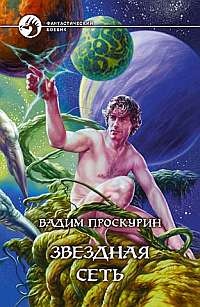
Звездная сеть
В "Звездной сети" Вадима Проскурина, читатель попадает в захватывающий мир, где люди не одиноки во Вселенной. Миллионы миров породили разумную жизнь, объединенную загадочной Сетью. Через нее можно получить любое знание, общаться с любыми существами и путешествовать, перенося свою душу в тела существ из других миров. Книга полна интриги и неожиданных поворотов, погружая читателя в захватывающий сюжет.
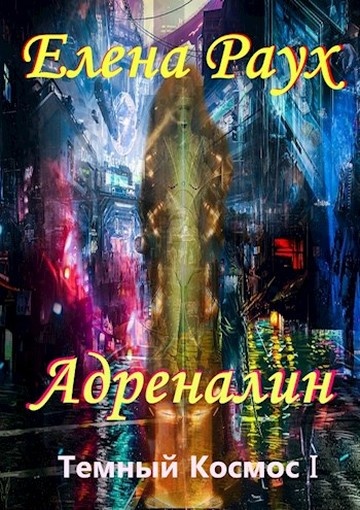
Адреналин
В сорок первом веке человечество столкнулось с инопланетными цивилизациями, но Земля оказалась на периферии. Молодой человек, Денис Клинов (Виго), обладает воспоминаниями о жизни за две тысячи лет до настоящего времени. Он пытается выбраться из трущоб мегаполиса «Европа», сталкиваясь с опасными ситуациями и загадочными событиями. Его воспоминания и навыки позволяют ему выживать в жестоком мире, где каждый день – борьба за выживание. Он находит необычные артефакты и вступает в сложные сделки с обитателями нижних уровней мегаполиса. Адреналин – это захватывающая история о выживании, тайнах прошлого и борьбе с опасностями сорока первого века.
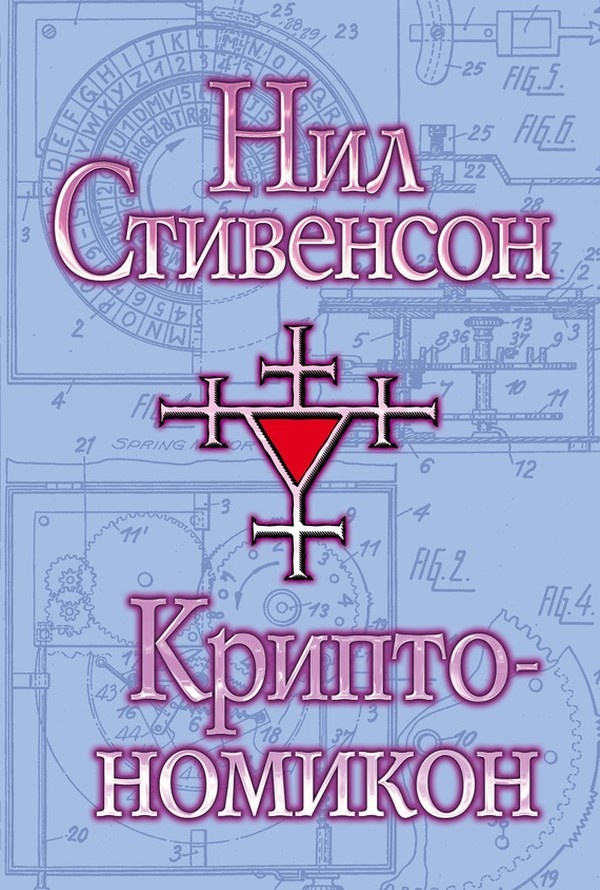
Криптономикон
«Криптономикон» – это не просто роман, это произведение, которое можно читать как самостоятельное произведение, так и как приквел к «Барочному циклу». В нем переплетаются детективные, историко-приключенческие, фантастические и реалистические линии, создавая уникальный и захватывающий гипертекст. Роман обозначил новый этап в творчестве Нила Стивенсона, соединив несколько уровней повествования в единое целое. Он понравится как ценителям современной прозы, так и поклонникам жанровой литературы. В романе рассматриваются сложные вопросы истории, криптографии и человеческой природы, представленные в увлекательной и динамичной форме.