

Eugene Onegin. A Romance of Russian Life in Verse
Описание
Eugene Onegin, a masterpiece by Alexander Pushkin, is a poignant exploration of Russian life and societal norms in verse. This narrative poem delves into the complexities of love, loss, and societal expectations through the eyes of Eugene Onegin, a young nobleman. The poem vividly portrays the social landscape of 19th-century Russia, offering insights into the customs, values, and conflicts of the era. Pushkin's masterful verse painting creates a rich tapestry of characters and experiences, engaging readers with its lyrical beauty and profound observations.
EUGENE ONEGUINE [Onegin]:
A Romance of Russian Life in Verse
by
ALEXANDER PUSHKIN
Translated from the Russian by Lieut.-Col. [Henry] Spalding
London Macmillan and Co. 1881
PREFACE
Eugene Oneguine, the chief poetical work of Russia's greatest poet, having been translated into all the principal languages of Europe except our own, I hope that this version may prove an acceptable contribution to literature. Tastes are various in matters of poetry, but the present work possesses a more solid claim to attention in the series of faithful pictures it offers of Russian life and manners. If these be compared with Mr. Wallace's book on Russia, it will be seen that social life in that empire still preserves many of the characteristics which distinguished it half a century ago—the period of the first publication of the latter cantos of this poem.
Many references will be found in it to our own country and its literature. Russian poets have carefully plagiarized the English— notably Joukovski. Pushkin, however, was no plagiarist, though undoubtedly his mind was greatly influenced by the genius of Byron— more especially in the earliest part of his career. Indeed, as will be remarked in the following pages, he scarcely makes an effort to disguise this fact.
The biographical sketch is of course a mere outline. I did not think a longer one advisable, as memoirs do not usually excite much interest till the subjects of them are pretty well known. In the "notes" I have endeavored to elucidate a somewhat obscure subject. Some of the poet's allusions remain enigmatical to the present day. The point of each sarcasm naturally passed out of mind together with the society against which it was levelled. If some of the versification is rough and wanting in "go," I must plead in excuse the difficult form of the stanza, and in many instances the inelastic nature of the subject matter to be versified. Stanza XXXV Canto II forms a good example of the latter difficulty, and is omitted in the German and French versions to which I have had access. The translation of foreign verse is comparatively easy so long as it is confined to conventional poetic subjects, but when it embraces abrupt scraps of conversation and the description of local customs it becomes a much more arduous affair. I think I may say that I have adhered closely to the text of the original.
The following foreign translations of this poem have appeared:
1. French prose. Oeuvres choisis de Pouchekine. H. Dupont. Paris, 1847.
2. German verse. A. Puschkin's poetische Werke. F. Bodenstedt. Berlin, 1854.
3. Polish verse. Eugeniusz Oniegin. Roman Aleksandra Puszkina. A. Sikorski. Vilnius, 1847.
4. Italian prose. Racconti poetici di A. Puschkin, tradotti da A. Delatre. Firenze, 1856.
London, May 1881.
CONTENTS
Mon Portrait
A Short Biographical Notice of Alexander Pushkin
Eugene Oneguine
Canto I: "The Spleen"
Canto II: The Poet
Canto III: The Country Damsel
Canto IV: Rural Life
Canto V: The Fete
Canto VI: The Duel
Canto VII: Moscow
Canto VIII: The Great World
Mon Portrait
Written by the poet at the age of 15.
Vous me demandez mon portrait,
Mais peint d'apres nature:
Mon cher, il sera bientot fait,
Quoique en miniature.
Je suis un jeune polisson
Encore dans les classes;
Point sot, je le dis sans facon,
Et sans fades grimaces.
Oui! il ne fut babillard
Ni docteur de Sorbonne,
Plus ennuyeux et plus braillard
Que moi-meme en personne.
Ma taille, a celle des plus longs,
Elle n'est point egalee;
J'ai le teint frais, les cheveux blonds,
Et la tete bouclee.
J'aime et le monde et son fracas,
Je hais la solitude;
J'abhorre et noises et debats,
Et tant soit peu l'etude.
Spectacles, bals, me plaisent fort,
Et d'apres ma pensee,
Je dirais ce que j'aime encore,
Si je n'etais au Lycee.
Apres cela, mon cher ami,
L'on peut me reconnaitre,
Oui! tel que le bon Dieu me fit,
Je veux toujours paraitre.
Vrai demon, par l'espieglerie,
Vrai singe par sa mine,
Beaucoup et trop d'etourderie,
Ma foi! voila Pouchekine.
Note: Russian proper names to be pronounced as in French (the nasal sound of m and n excepted) in the following translation. The accent, which is very arbitrary in the Russian language, is indicated unmistakably in a rhythmical composition.
A Short Biographical Notice of Alexander Pushkin.
Alexander Sergevitch Pushkin was born in 1799 at Pskoff, and was a scion of an ancient Russian family. In one of his letters it is recorded that no less than six Pushkins signed the Charta declaratory of the election of the Romanoff family to the throne of Russia, and that two more affixed their marks from inability to write.
Похожие книги
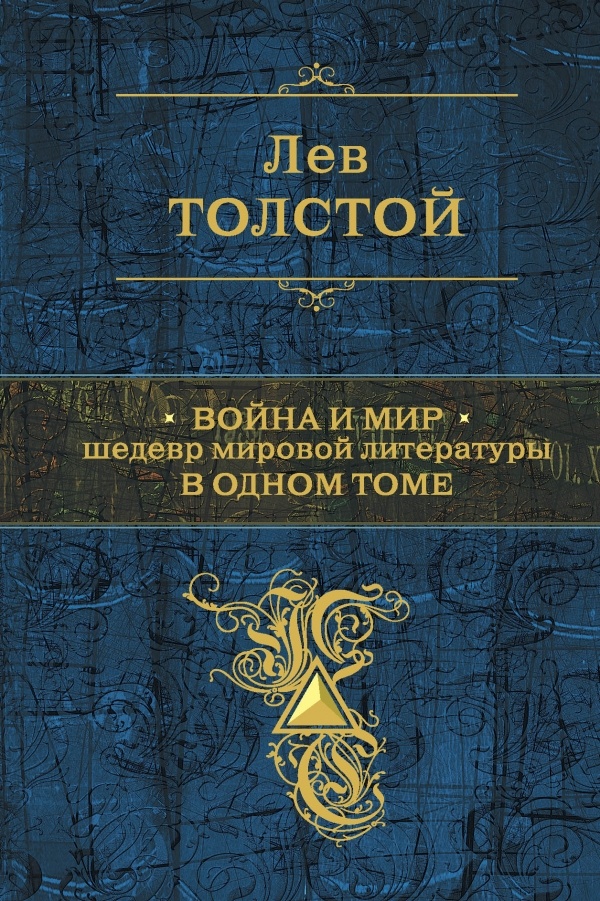
Война и мир
«Война и мир» – это не просто роман о войне, но и обширное полотно жизни, охватывающее различные социальные слои и судьбы героев. Лев Толстой мастерски изображает сложные человеческие отношения, раскрывая внутренний мир персонажей и их реакции на исторические события. Произведение пронизано философскими размышлениями о жизни, смерти, любви, чести и смысле существования. Роман-эпопея, отражающий глубину мироощущения и философии Толстого, остается актуальным и по сей день, исследуя вечные проблемы бытия.
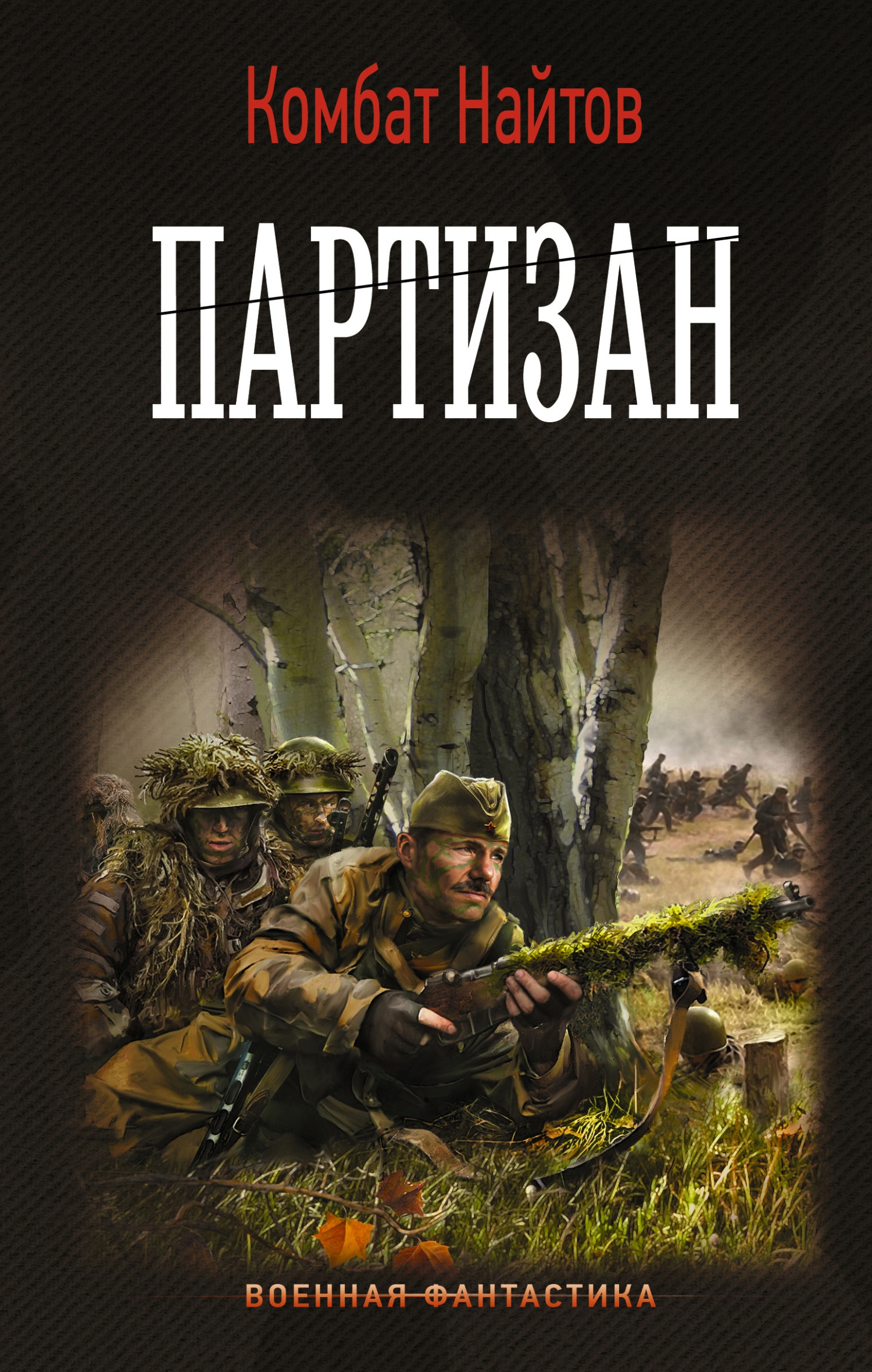
Партизан
В новой книге "Партизан" автор Алексей Владимирович Соколов и другие погружают читателей в реалии партизанской войны. Роман, сочетающий элементы фантастики и боевика, рассказывает о старшине-пограничнике, в котором "скрывается" спецназовец-афганец. Действие разворачивается на оккупированной территории, где главный герой сталкивается с жестокими сражениями и сложными моральными дилеммами. Книга исследует роль спецслужб в создании партизанских отрядов и их вклад в победу в Великой Отечественной войне. Авторский взгляд на исторические события, смешанный с элементами фантастики, увлекает читателя в мир борьбы за свободу и справедливость.
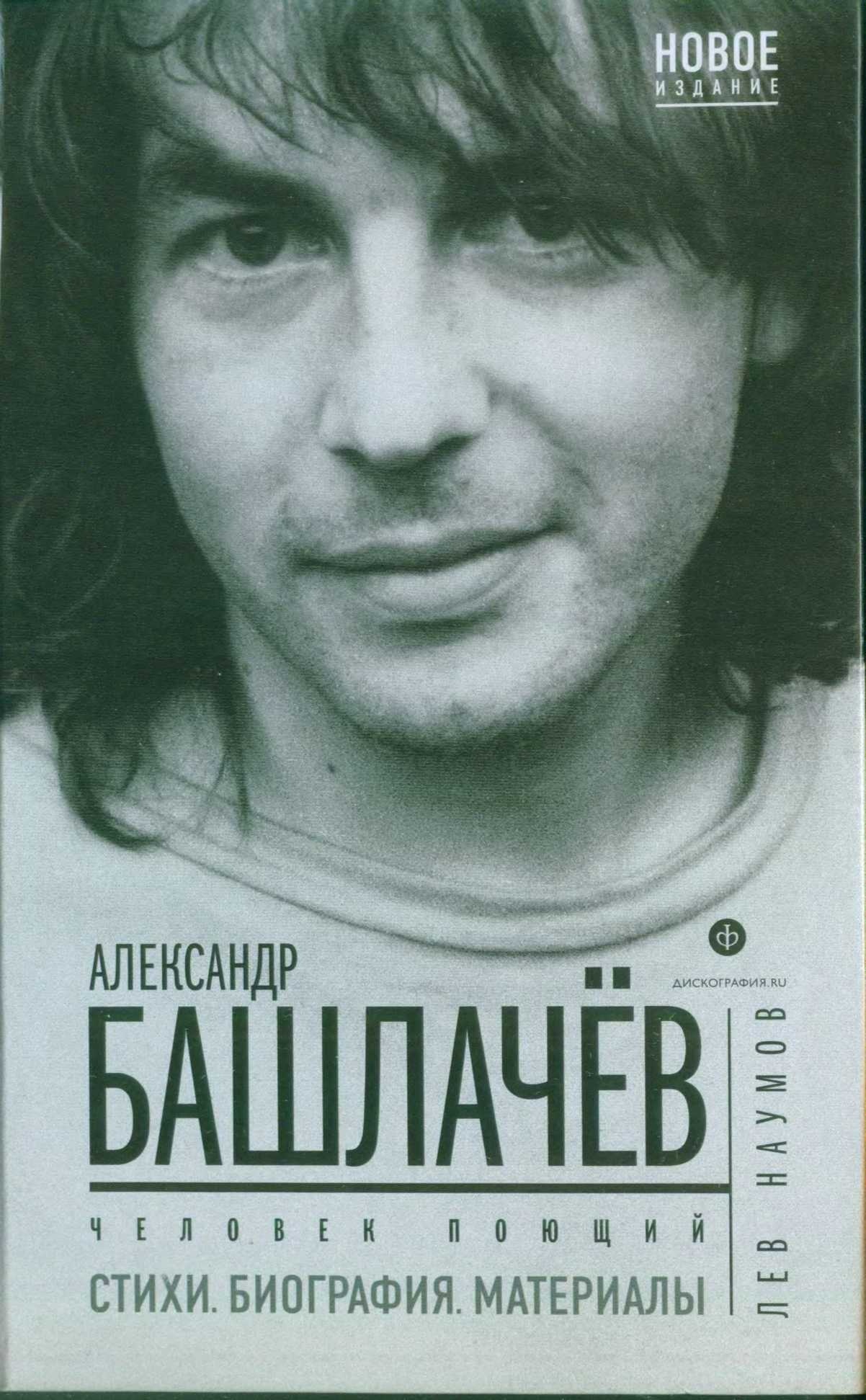
Александр Башлачёв - Человек поющий
This book delves into the life and poetry of the renowned Russian poet, Alexander Bashlachev. It offers a comprehensive look at his work, exploring themes of existentialism, disillusionment, and the human condition. Through insightful analysis and captivating excerpts, readers gain a deeper understanding of Bashlachev's poetic voice and its enduring impact on Russian literature. The book is a must-read for fans of poetry and those interested in Russian literature and biography. This biography is not just about Bashlachev's life but also about his artistic journey and the profound influence his poetry has on the reader.
Поспели травы
В книге "Поспели травы" представлены проникновенные стихи Дмитрия Дарина, доктора экономических наук и члена Союза писателей России. Стихи, написанные в 2002 году, отражают глубокое чувство любви к Родине и размышления о судьбе России. Более 60 песен, написанных на стихи автора, вошли в репертуар известных исполнителей. Книга включает исторические поэмы, такие как "Отречение", "Перекоп", "Стрельцы", "Сказ о донском побоище", а также лирические размышления о жизни и природе. Переводы стихов Дарина существуют на испанском, французском и болгарском языках.