Eastern Standard Tribe
Описание
Eastern Standard Tribe, a novel by Cory Doctorow, presents a compelling exploration of a new social group that embraces a different standard time. The narrative, rich with futuristic details like cars running on lard, offers a sharp, often acerbic, commentary on modern culture. Doctorow's signature blend of insightful observations and imaginative concepts creates a thought-provoking reading experience. The novel's background is filled with intriguing details, but its core is a witty, sometimes acerbic, examination of contemporary trends. The author masterfully weaves together a futuristic setting with a commentary on the present, creating a unique and engaging experience for readers.
"Utterly contemporary and deeply peculiar-a hard combination to beat (or, these days, to find)."
— William Gibson. Author of
"Cory Doctorow knocks me out. In a good way."
— Pat Cadigan. Author of
"Cory Doctorow is just far enough ahead of the game to give you that authentic chill of the future, and close enough to home for us to know that he's talking about where we live as well as where we're going to live; a connected world full of disconnected people. One of whom is about to lobotomise himself through the nostril with a pencil. Funny as hell and sharp as steel."
— Warren Ellis. Author of
Last year, in January 2003, my first novel (http://craphound.com/down) came out. I was 31 years old, and I'd been calling myself a novelist since the age of 12. It was the storied dream-of-a-lifetime, come-true-at-last. I was and am proud as hell of that book, even though it is just one book among many released last year, better than some, poorer than others; and even though the print-run (which sold out very quickly!) though generous by science fiction standards, hardly qualifies it as a work of mass entertainment.
The thing that's extraordinary about that first novel is that it was released under terms governed by a Creative Commons (http://creativecommons.org/) license that allowed my readers to copy the book freely and distribute it far and wide. Hundreds of thousands of copies of the book were made and distributed this way.
Today, I release my second novel, and my third (http://www.argosymag.com/NextIssue.html), a collaboration with Charlie Stross is due any day, and two (http://www.fantasticmetropolis.com/show.html?fn.preview_doctorow) more (http://www.craphound.com/usrbingodexcerpt.txt) are under contract. My career as a novelist is now well underway-in other words, I am firmly afoot on a long road that stretches into the future: my future, science fiction's future, publishing's future and the future of the world.
The future is my business, more or less. I'm a science fiction writer. One way to know the future is to look good and hard at the present. Here's a thing I've noticed about the present: more people are reading more words off of more screens than ever before. Here's another thing I've noticed about the present: fewer people are reading fewer words off of fewer pages than ever before. That doesn't mean that the book is
I intend on figuring out what it's transforming into. I intend on figuring out the way that some writers-that
I don't know what the future of book looks like. To figure it out, I'm doing some pretty basic science. I'm peering into this opaque, inscrutable system of publishing as it sits in the year 2004, and I'm making a perturbation. I'm stirring the pot to see what surfaces, so that I can see if the system reveals itself to me any more thoroughly as it roils. Once that happens, maybe I'll be able to formulate an hypothesis and try an experiment or two and maybe-just maybe-I'll get to the bottom of book-in-2004 and beat the competition to making it work, and maybe I'll go home with all (or most) of the marbles.
It's a long shot, but I'm a pretty sharp guy, and I know as much about this stuff as anyone out there. More to the point, trying stuff and doing research yields a non-zero chance of success. The alternatives-sitting pat, or worse, getting into a moral panic about "piracy" and accusing the readers who are blazing new trail of "the moral equivalent of shoplifting"-have a
Most artists never "succeed" in the sense of attaining fame and modest fortune. A career in the arts is a risky long-shot kind of business. I'm doing what I can to sweeten my odds.
Похожие книги

17 - Prelude
В 2117 году будущее еще не наступило, оно только начинается. Эта история двух искусственных братьев – лишь прелюдия к этому будущему. В Южной Аргентине, на военной базе Родина, события развиваются стремительно. Наемники прибывают, и старый полковник Грасиа наблюдает за происходящим с растущим беспокойством. Технологии будущего представлены в полной красе: штурмовые комплексы, новые виды вооружения – все это бросает вызов традиционным военным доктринам. История полна напряжения, технологического прогресса и скрытых опасностей. В центре сюжета – два брата, чьи судьбы переплетаются с судьбами всего мира.
Звездная сеть
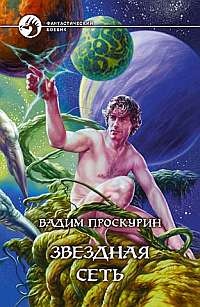
В "Звездной сети" Вадима Проскурина, читатель попадает в захватывающий мир, где люди не одиноки во Вселенной. Миллионы миров породили разумную жизнь, объединенную загадочной Сетью. Через нее можно получить любое знание, общаться с любыми существами и путешествовать, перенося свою душу в тела существ из других миров. Книга полна интриги и неожиданных поворотов, погружая читателя в захватывающий сюжет.
Адреналин
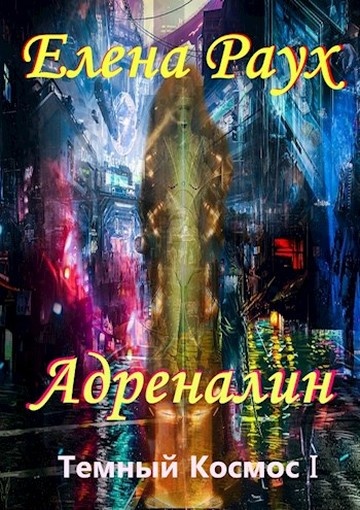
В сорок первом веке человечество столкнулось с инопланетными цивилизациями, но Земля оказалась на периферии. Молодой человек, Денис Клинов (Виго), обладает воспоминаниями о жизни за две тысячи лет до настоящего времени. Он пытается выбраться из трущоб мегаполиса «Европа», сталкиваясь с опасными ситуациями и загадочными событиями. Его воспоминания и навыки позволяют ему выживать в жестоком мире, где каждый день – борьба за выживание. Он находит необычные артефакты и вступает в сложные сделки с обитателями нижних уровней мегаполиса. Адреналин – это захватывающая история о выживании, тайнах прошлого и борьбе с опасностями сорока первого века.
Криптономикон
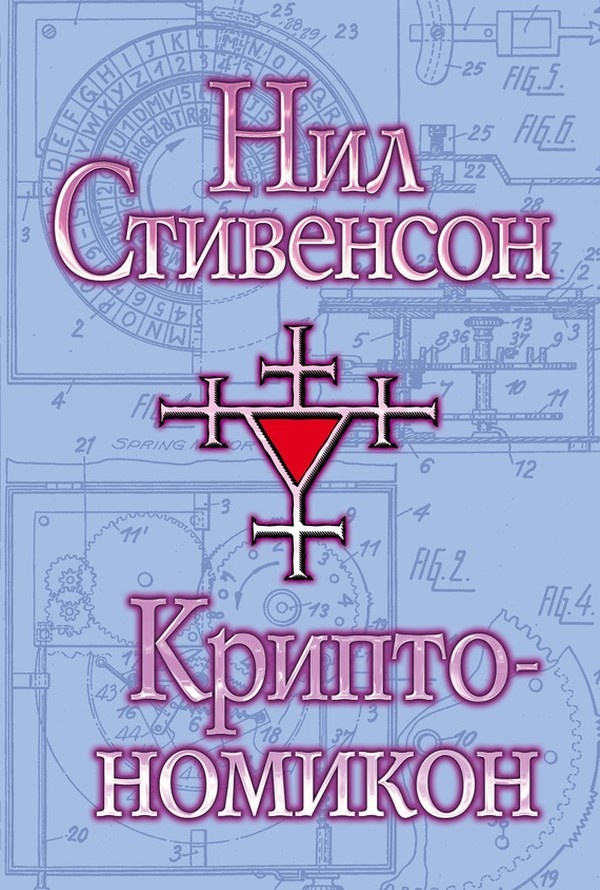
«Криптономикон» – это не просто роман, это произведение, которое можно читать как самостоятельное произведение, так и как приквел к «Барочному циклу». В нем переплетаются детективные, историко-приключенческие, фантастические и реалистические линии, создавая уникальный и захватывающий гипертекст. Роман обозначил новый этап в творчестве Нила Стивенсона, соединив несколько уровней повествования в единое целое. Он понравится как ценителям современной прозы, так и поклонникам жанровой литературы. В романе рассматриваются сложные вопросы истории, криптографии и человеческой природы, представленные в увлекательной и динамичной форме.