

Der Fliegende Hollaender
Описание
Опера "Летающий голландец" Рихарда Вагнера – захватывающее музыкальное произведение, повествующее о трагической судьбе капитана, обреченного на вечные скитания по морям. В основе сюжета – договор с дьяволом, вечная любовь и неизбежная трагедия. Действие происходит на норвежском побережье, где капитан корабля Даланд встречает призрачный корабль "Летающего голландца". Его дочь, Сента, очарована легендой и решает посвятить свою жизнь спасению капитана. Опера полна драматических сцен, ярких образов и захватывающей музыки. Вагнер мастерски использует музыкальные средства для передачи глубоких чувств и драматизма.
Produced by Louise Hope, Juliet Sutherland and the Online Distributed Proofreading Team at http://www.pgdp.net
[Transcriber's Note:
This e-text contains the introductory material and German text
Typographical errors are noted at the end of the text.]
* * * * *
* * * *
* * * * *
PRICE 65 CENTS
METROPOLITAN OPERA ASSOCIATION, INCORPORATED
METROPOLITAN
OPERA
LIBRETTO
The Original Italian, French or German
Libretto with a correct
English Translation
FLYING DUTCHMAN
FRED RULLMAN, Inc.
THE ONLY CORRECT AND AUTHORIZED EDITION
KNABE PIANO USED EXCLUSIVELY
Printed in U.S.A.
THE
FLYING DUTCHMAN
(DER FLIEGENDE HOLLAENDER)
ROMANTIC OPERA
IN THREE ACTS
BY
RICHARD WAGNER
PUBLISHED BY
FRED. RULLMAN, INC., NEW YORK, N.Y.
ACT I.
A Norwegian brig is driven out of her course on the homeward voyage, and near the rockbound Norwegian Coast meets with the phantom ship of the "Flying Dutchman." Daland, the captain of the Norwegian vessel, enters into a compact with the "Flying Dutchman" whose identity, however, is unknown to him, to give him a home and his daughter, Senta, for a wife, in consideration of the rich treasures stored away in the "Flying Dutchman's" ship.
ACT II.
When the curtain rises, a bevy of Norwegian Girls, among whom are Daland's daughter, Senta and her nurse Mary, are discovered turning their spinning wheels and singing a spinning song. A picture of the "Flying Dutchman" adorns the wall, and Senta, after singing a ballad sketching in incoherent, passionate strains, a story of the subject of the picture, solemnly vows that she will become the means of terminating the torment, to which the "Flying Dutchman" is subjected, and who can only be saved by a woman unwaveringly constant in her love. During the confusion which ensues upon this avowal, the father's arrival is announced. In the time intervening between this announcement and Daland's arrival, Erik, Senta's lover, pleads for his love, and endeavors to persuade Senta that her infatuation for a phantom lover will lead to her irretrievable ruin; but to no avail. Daland arrives and presents the "Flying Dutchman" to his daughter. Senta accepts him as her affianced husband.
ACT III.
The curtain rises on the crew of the Norwegian brig singing a frolicking sailor song, and jesting with a bevy of girls, who bring them refreshments. The special object of their jest and fun (in which the girls also join), is the crew of the "Flying Dutchman," whom they cannot persuade to join in their merry-making. They finally conclude that the crew of the neighboring ship must be dead, and the suspicion gains belief that the "Flying Dutchman" is playing one of his ugly tricks. The crew of the "Flying Dutchman" sing a fantastic song to which the Norwegian sailors intently listen, and whose weird words they finally endeavor to drown in a song of their own. Erik pleads again with Senta, and the "Flying Dutchman" appears on the scene, and orders his crew to prepare for immediate departure, thinking Senta had proven as faithless and inconstant in the love she had vowed him, as the rest of womankind he had come in contact with. Senta, however, vows that she will be true to him, and even after the "Flying Dutchman" discloses his identity, she does not falter in her resolution. "Thine will I be, until death shall us part!" she passionately exclaims and the curtain falls.
DRAMATIS PERSONAE
DALAND
SENTA
ERIK
MARY
THE MATE
THE FLYING DUTCHMAN.
SCENE: The Norwegian Coast
ERSTER AUFTRITT.
MATROSEN.
Hohoje! Hohoje! Halloho! u. s. w.
DALAND.
Kein Zweifel! Sieben Meilen fort
Trieb uns der Sturm vom sichern Port.
So nah' dem Ziel nach langer Fahrt,
War mir der Streich noch aufgespart!
STEUERMANN.
Ho! Capitän!
DALAND.
Am Bord bei Euch, wie steht's?
STEUERMANN.
Gut, Capitän! Wir sind auf sicherm Grund.
DALAND.
's ist Sandwyk-Strand, genau kenn' ich die Bucht. -
Verwünscht! schon sah am Ufer ich mein Haus,
Senta, mein Kind, glaubt' ich schon zu umarmen.
Da bläst er aus dem Teufels-Loch heraus. . . .
Wer baut auf Wind, baut auf Satans Erbarmen!
Was hilft's? der Sturm lässt nach, -
Wenn so er tobte, währt's nicht lang.
He! Bursche! lange war't ihr wach;
Zur Ruhe denn, mir ist's nicht bang!
Nun, Steuermann! die Wache nimmst Du wohl für mich?
Gefahr ist nicht, doch gut ist's, wenn Du wachst.
STEUERMANN.
Seid ausser Sorg'! Schlaft ruhig, Capitän!
STEUERMANN.
Mit Gewitter und Sturm aus fernem Meer -
Mein Mädel, bin dir nah'.
Über thurmhohe Fluth vom Süden her -
Похожие книги
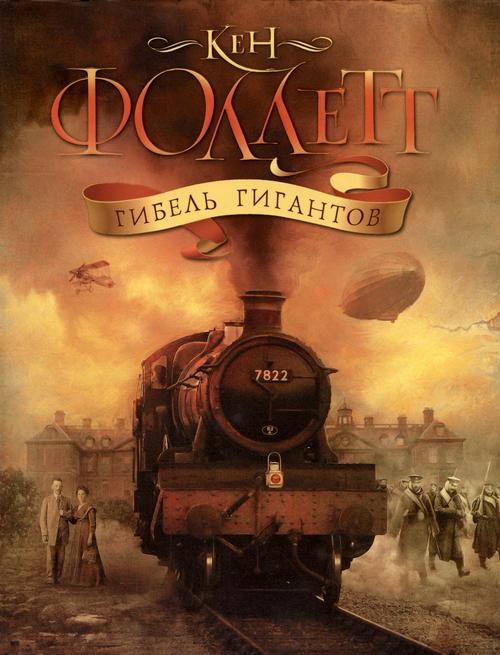
Гибель гигантов
Роман "Гибель гигантов" Кен Фоллетт погружает читателя в атмосферу начала XX века, накануне Первой мировой войны. Он описывает судьбы людей разных социальных слоев – от заводских рабочих до аристократов – в России, Германии, Англии и США. Их жизни переплетаются в сложный и драматичный узор, отражая эпохальные события, войны, лишения и радости. Автор мастерски передает атмосферу того времени, раскрывая характеры героев и их сложные взаимоотношения. Читайте захватывающий роман о судьбах людей на пороге великих перемен.

Лавр
Евгений Водолазкин, известный филолог и автор "Соловьева и Ларионова", в новом романе "Лавр" погружает читателя в средневековую Русь. Герой, средневековый врач с даром исцеления, сталкивается с неразрешимым конфликтом: как спасти душу человека, если не можешь уберечь его земной оболочки? Роман исследует темы жертвы, любви и веры в контексте средневековой России. Врачебное искусство, вера и человеческие отношения сплетаются в увлекательном повествовании, где каждый персонаж и каждое событие обретают глубокий смысл. Книга погружает в атмосферу средневековья, раскрывая внутренний мир героя и его непростую судьбу.
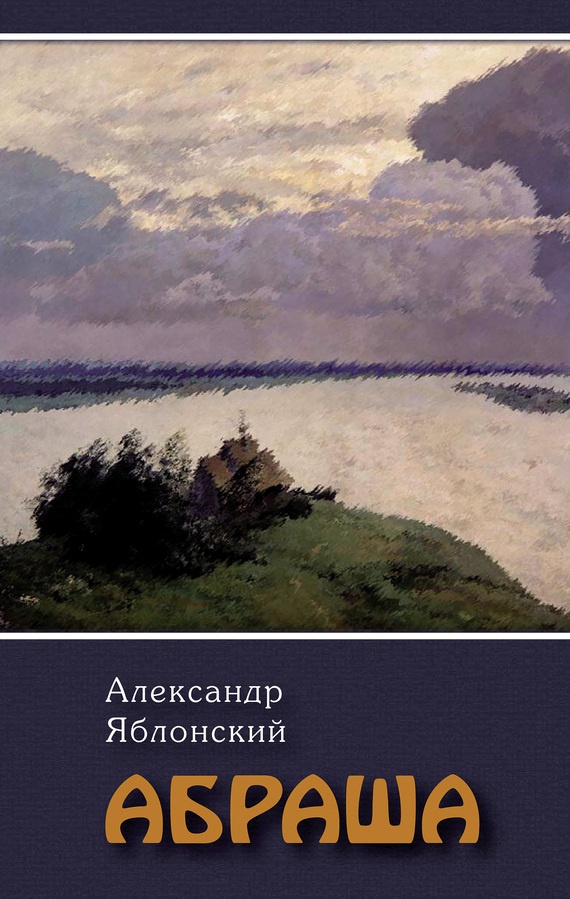
Абраша
В романе "Абраша" Александра Яблонского оживает русская история, сплетающая судьбы и эпохи. Этот исторический роман, наполненный душевными размышлениями, исследует человеческую волю как силу, противостоящую социальному злу. Яблонский мастерски передает атмосферу времени, используя полифоничный стиль и детективные элементы. Книга – о бесконечной красоте человеческой души в сложные времена.

Аламут (ЛП)
В романе "Аламут" Владимир Бартол исследует сложные мотивы и убеждения людей в эпоху тоталитаризма. Книга не является пропагандой ислама или оправданием насилия, а скорее анализирует, как харизматичные лидеры могут манипулировать идеологией, превращая индивидуальные убеждения в фанатизм. Автор показывает, как любая идеология, будь то религиозная, националистическая или иная, может быть использована в опасных целях. Роман основан на истории Хасана ибн Саббаха и его последователей, раскрывая сложную картину событий и персонажей. Книга предоставляет читателю возможность задуматься о природе идеологий и их влиянии на людей, а также о том, как важно сохранять нравственные принципы.