
Arthur Charles Clarke - автор
Все книги автора Arthur Charles Clarke (4 книг)
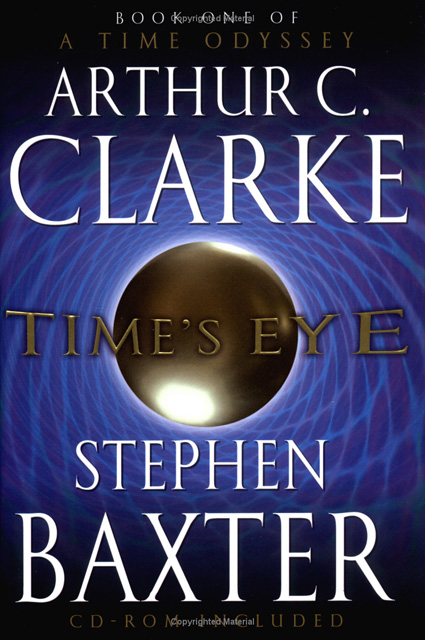
Time’s Eye
In 1885, Rudyard Kipling witnesses a bizarre event: tanks from 2137 intervene in a British army action. This extraordinary event catapults Kipling, his friends, and the tanks back to the 4th century, thrusting them into Alexander the Great's army. This time-bending odyssey reveals shocking truths: aliens have manipulated history and Earth's future is limited to 2137. This groundbreaking work from science fiction masters Arthur C. Clarke and Stephen Baxter explores the complexities of time travel and alien intervention, offering a captivating journey through countless centuries.
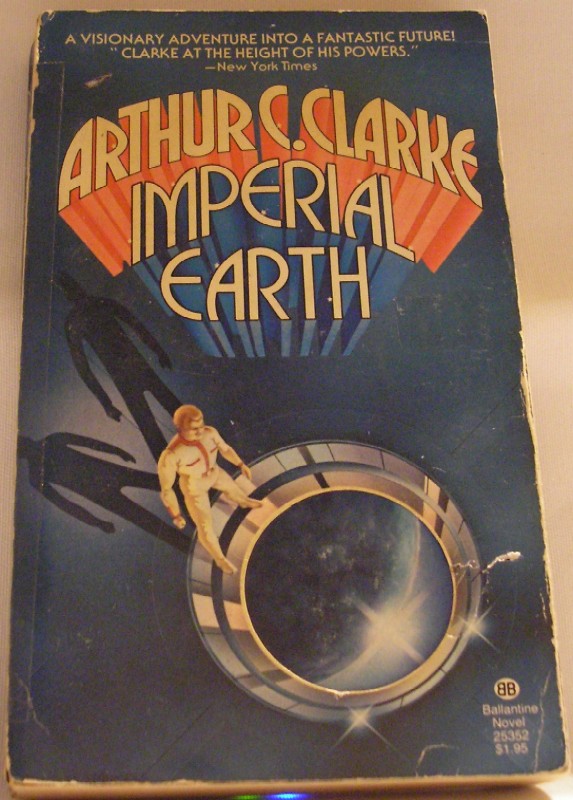
Imperial Earth
Imperial Earth follows Duncan Makenzie, a diplomat from the independent republic of Titan, as he embarks on a perilous journey to Earth for the celebration of its Quincentennial. Facing the challenges of interstellar travel and cultural differences, Duncan navigates a complex social and political landscape in Washington D.C. His quest is further complicated by a reunion with a loved one. This captivating science fiction novel explores themes of cultural exchange, interstellar diplomacy, and the enduring power of human connection in a futuristic setting. Clarke masterfully blends scientific accuracy with compelling storytelling, creating a thought-provoking and engaging narrative.
A Fall of Moondust
A Fall of Moondust, by Arthur C. Clarke, takes readers on a journey to the Moon's Sea of Thirst. The story centers on Pat Harris, the skipper of the lunar dust-cruiser Selene, as he navigates the unique challenges of lunar travel. The novel explores the fascinating and alien landscape of the Moon, its dust-covered plains, and the unique perspective of lunar residents. Clarke masterfully blends scientific accuracy with compelling storytelling, creating a captivating exploration of a distant world. The narrative details the meticulous preparations and procedures for lunar travel, highlighting the importance of safety and precision in space exploration. The story also offers insights into the lives of lunar inhabitants and the differences between Earth and lunar cultures. The book's focus on the lunar environment and the experiences of its inhabitants makes it a compelling read for fans of science fiction and space exploration.
Voci di Terra lontana
In "Voci di Terra lontana", Arthur C. Clarke esplora il tema dell'intelligenza extraterrestre attraverso un'intrigante narrazione interstellare. Il romanzo, basato su un'idea nata quasi trent'anni prima, riflette l'evoluzione del pensiero scientifico sulla vita al di fuori del nostro pianeta. Clarke, con la sua consueta maestria, mescola elementi di fantascienza con un'attenta considerazione delle teorie scientifiche dell'epoca, in particolare riguardo alla velocità della luce e alla ricerca di vita extraterrestre. Il racconto si sviluppa in un contesto di tensione e scoperta, ponendo domande fondamentali sull'unicità della nostra specie e sulla vastità dell'universo. L'autore affronta con delicatezza il dibattito scientifico sull'esistenza di vita intelligente al di fuori della Terra, presentando un'opera narrativa realistica sul tema interstellare, coerente con le conoscenze scientifiche dell'epoca. Il romanzo è un'esplorazione profonda e stimolante dell'universo, incentrata su un'indagine scientifica e filosofica che si pone in dialogo con le teorie scientifiche del tempo.